


McDonnell F-4 Phantom - Spirit In The Skies
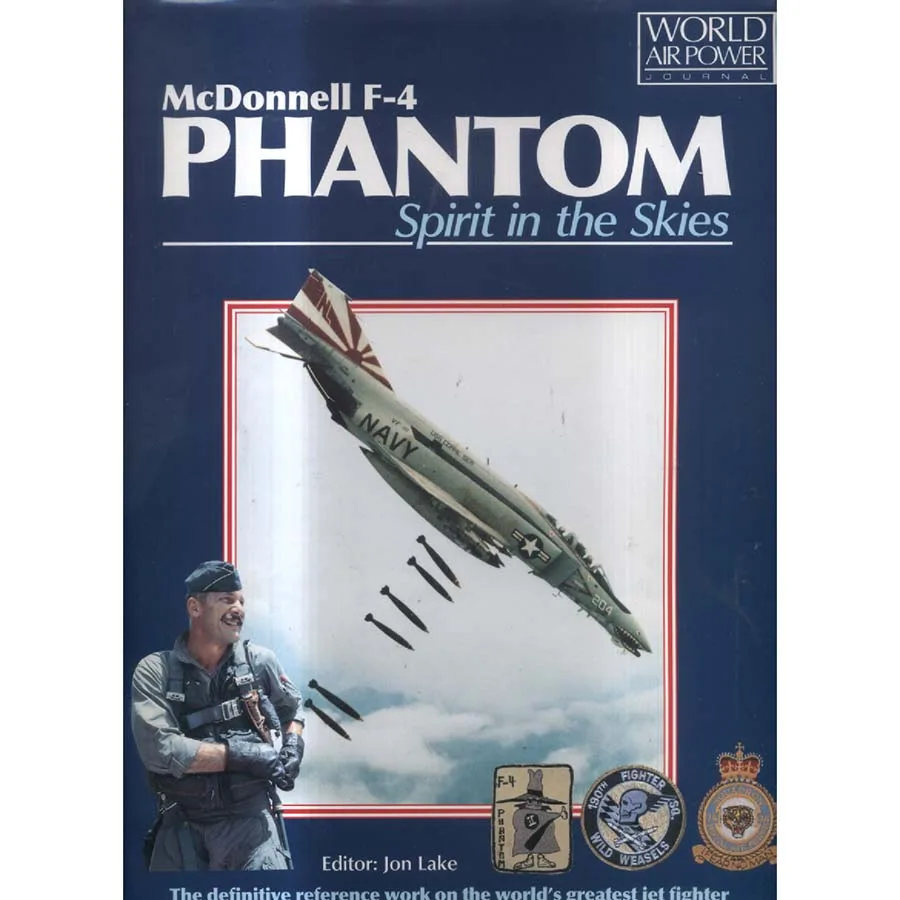
Publisher: Aerospace Publishing Ltd
Format: Hardback
ISBN: 9781874023289
Jon Lake’s McDonnell F-4 Phantom: Spirit in the Skies concerns the F-4 Phantom II, an aircraft that somehow managed to be both ungainly and magnificent, like a filing cabinet that discovered patriotism and afterburners. It was big, smoky, loud, heavily armed, widely exported, extensively photographed, deeply loved, frequently cursed, and built in that splendid Cold War spirit where the answer to almost every design question appears to have been “more thrust and a larger intake.”
The Phantom began as a carrier fighter and then, with typical disregard for job descriptions, became an interceptor, fighter-bomber, reconnaissance aircraft, wild weasel, fleet defender, air-superiority bruiser, NATO workhorse and international statement of intent. America flew it in quantity. Britain adapted it with its own particular engineering opinions. Other air forces took it on, painted it in their colours, hung weapons from it, and discovered that subtlety was overrated if the aircraft could simply arrive making the horizon nervous.
This book gives the Phantom the proper illustrated treatment: development, variants, operators, service life, markings, photographs, technical notes and that pleasing aviation-book mixture of affection and hardware. The F-4 is not really an aircraft one “covers” politely. It has to be approached as a phenomenon: smoke trail first, noise second, details somewhere in the blast radius. It was not beautiful in the tidy sense, but it had presence, and presence will often get you further than elegance, especially if you are carrying missiles.
The title, Spirit in the Skies, gives the whole thing a faintly noble glow, which is generous for a machine famous for turning kerosene into soot and civic disturbance. Yet the Phantom did have spirit: stubborn, muscular, adaptable, overqualified for discretion. It belonged to an era when military aircraft still looked as though they might physically resent being drawn too smoothly. Every line of it seems to say that if air combat cannot be solved gracefully, it can at least be solved loudly.
There is a fine irony in the Phantom’s reputation. It was born into the missile age, initially expected to fight in a modern world where dogfighting might be old-fashioned, and then promptly found itself proving that old problems have a rude habit of surviving new technology. The future arrived with radar, missiles and high concepts; the sky replied with confusion, closing speeds, rules of engagement, and pilots discovering that theory is much calmer on the ground.
For Phantom enthusiasts, Cold War aviation collectors, RAF and US Navy followers, model-makers, airshow nostalgics and anyone who believes a proper jet should have the emotional range of a thunderstorm, this is excellent shelf material. It is the kind of book that makes aviation people pause mid-sentence, tilt their heads slightly, and begin remembering smoke trails they saw thirty years ago.
Very Good copy, as sold by Crappy Old Books. Clean, solid and far better behaved than its subject, which spent much of its career being loud, thirsty and visually impossible to ignore. A handsome copy of a handsome-ugly aircraft book, ready to occupy the aviation shelf with all the quiet restraint the Phantom itself never considered.
Keep browsing: See more War books Other books by Jon Lake
