


Pol Roger And Co
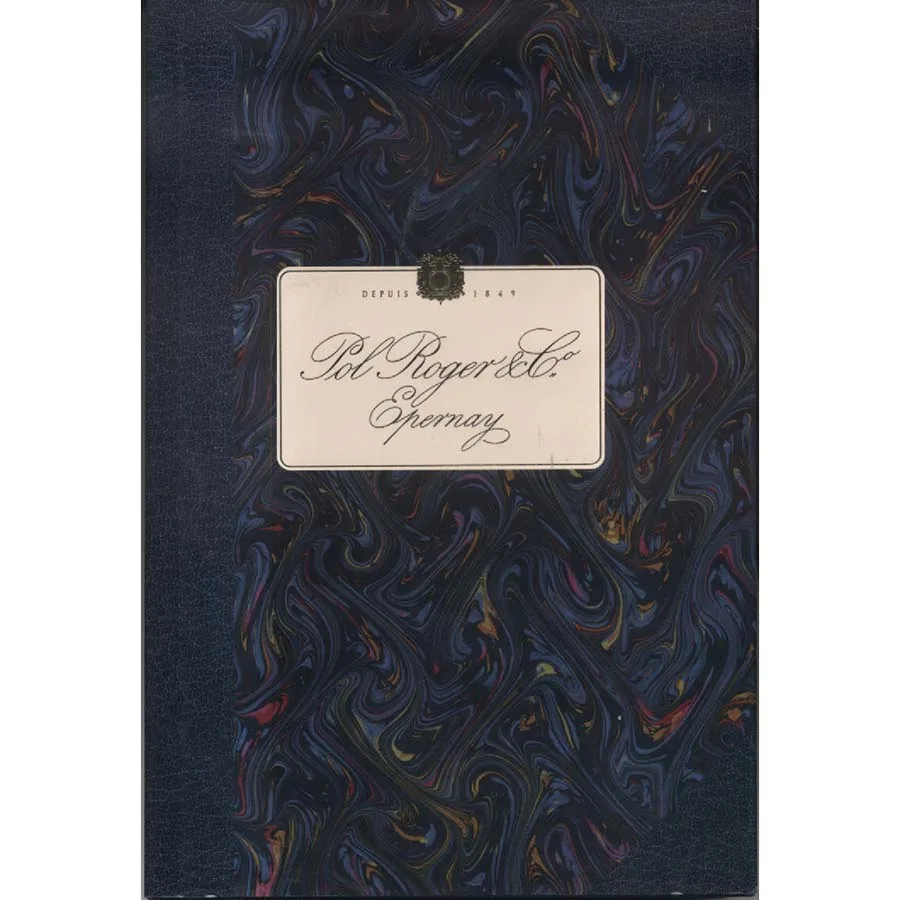
Publisher: Cynthia Parzych Publishing
Format: Hardback
ISBN: 1873901029
Cynthia Parzych and John Turner’s Pol Roger and Co is a book about champagne, which means it concerns agriculture, weather, fermentation, branding, dynasties, export markets, cellars, bottles, labels, aristocratic thirst, and the magnificent human ability to turn fizzy wine into civilisation’s official noise for “something has happened.” Pol Roger is one of the grand old Champagne houses, the kind of name that does not merely sit on a bottle but arrives already wearing a dinner jacket.
This is the story of the house, the family and the drink: Épernay, vineyards, cellars, blends, vintages, reputation, business, taste and the long, delicate process by which grapes become status with bubbles. Champagne has always had this pleasing double life. On one hand, it is farming, chemistry, barrels, chalk, damp underground labour and people worrying about the weather. On the other, it is receptions, racecourses, weddings, embassies, launches, liners, clubs, Churchillian approval and somebody saying “just the one” while clearly not meaning it.
Pol Roger carries its own peculiar aura, helped enormously by Winston Churchill, who appears in champagne history less as a customer than as a weather system. His affection for the house gave it a certain bulldog glamour: war rooms, cigars, speeches, black tie, national peril, and the useful reminder that even statesmen facing global catastrophe may have strong views about what is in the glass. Few brands are lucky enough to be associated with both elegant celebration and a man who looked as if he could out-argue a continent before lunch.
The irony of champagne is that it is basically controlled decay sold as joy. Grapes are crushed, juice is fermented, bottles are stored in cool darkness, sediment is coaxed, corks are managed, and after all that underground fuss the result emerges to be sprayed at motor races by people who have no idea what trouble it was. Pol Roger, being proper champagne, brings dignity to this absurd arrangement. The bottle may be opened in triumph, but somewhere behind it are generations of people muttering about harvests, dosage, chalk soils and whether the English are ordering enough.
This book is ideal for wine lovers, champagne collectors, food-and-drink historians, Francophiles, brand-history enthusiasts, and anyone who enjoys the gap between glamorous consumption and the cold practical business that makes it possible. It is not merely a book about bubbles. It is about family, craft, trade, continuity and the strange international agreement that fizzy wine makes joy look more official.
Good copy, as sold by Crappy Old Books. A presentable volume on a very presentable subject, though sadly not supplied with a bottle, flute, cellar, inheritance, or permission to pronounce “Épernay” with dangerous confidence. A fine shelf companion for anyone who likes books about wine, luxury, history and the long human effort to make celebration taxable, exportable and properly chilled.
Keep browsing: See more Food books Other books by Cynthia Parzych and John Turner
