


Women Beyond The Wire
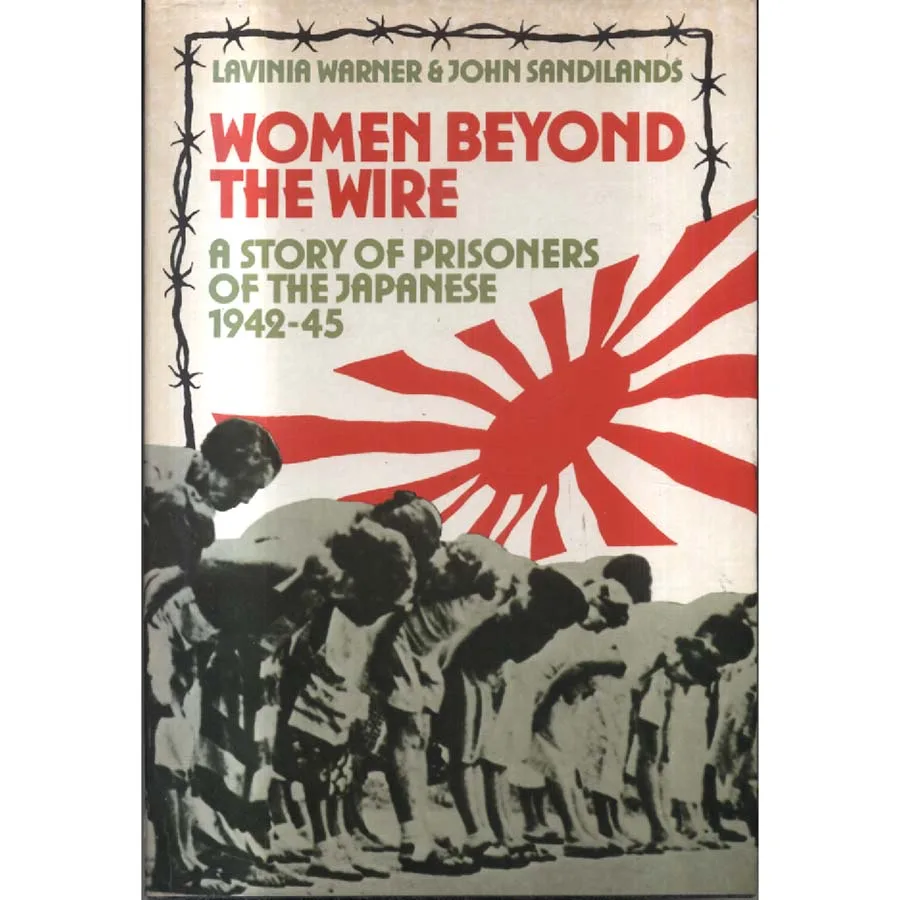
Publisher: Michael Joseph
Format: Hardback
ISBN: 0718119347
Lavinia Warner and John Sandilands’s Women Beyond the Wire is one of those war books that quietly removes the polished helmet from the Second World War shelf and replaces it with hunger, heat, fear, children, exhaustion and women trying to remain human while history behaves atrociously. It tells the story of civilian women interned by the Japanese in the Far East, the kind of wartime experience that does not always get the full brass-band treatment because nobody was charging across a battlefield in a photogenic direction.
These were wives, mothers, nurses, missionaries, colonial residents, working women, girls, grandmothers and ordinary civilians who found themselves swept into captivity after Japan’s advance through Asia. The empire on which the sun allegedly never set had, inconveniently, suffered a fairly major lighting failure. Singapore fell, territories were occupied, families were separated, and women who had expected discomfort, evacuation or perhaps bureaucratic confusion instead entered camps where survival became a daily negotiation with disease, malnutrition, overcrowding, brutality and despair.
The book looks beyond the wire at the lives lived inside it: food stretched past reason, illness managed with almost nothing, children protected from realities adults could barely bear, scraps of order maintained because giving up the small rituals of civilisation would have felt like letting the captors win twice. There are committees, friendships, quarrels, improvised schools, hidden reserves of courage, and the grim comedy of people still attempting standards while the world has reduced their possessions, diet and privacy to near absurdity.
There is a particularly sharp irony in women being treated by history as “non-combatants,” as though suffering politely avoids civilians if they have not been issued rifles. Captivity did not become gentle because the prisoners were women. It merely changed shape. They fought with ration tins, nursing, memory, discipline, language, songs, stubbornness and the old trick of getting through today because tomorrow had not yet had the decency to declare itself impossible.
Warner and Sandilands give these women their proper place in the wartime record: not as decorative victims, not as footnotes to the men’s war, but as witnesses and survivors of a brutal system. This is the world later associated with Tenko, but here the drama does not need television lighting. The real thing is severe enough: wire, guards, sickness, separation, endurance, and the long moral insult of being expected to disappear neatly into the word “internee.”
For readers of Far East captivity, women’s wartime history, Japanese internment camps, civilian survival, or the less triumphal end of Second World War memory, this is a strong and sobering volume. It is not here to wave flags. It is here to open the camp gates on paper and say: these women were there; this happened; do not tidy it away.
Good copy, as sold by Crappy Old Books. A decent survivor of a book about survival, which gives the shelf a small but fitting irony. No glamour, no bunting, no clean heroic poster, just women beyond the wire doing the unshowy, impossible work of staying alive when the world had temporarily mislaid its conscience.
Keep browsing: See more War books Other books by Lavinia Warner and John Sandilands
