


Inside Out
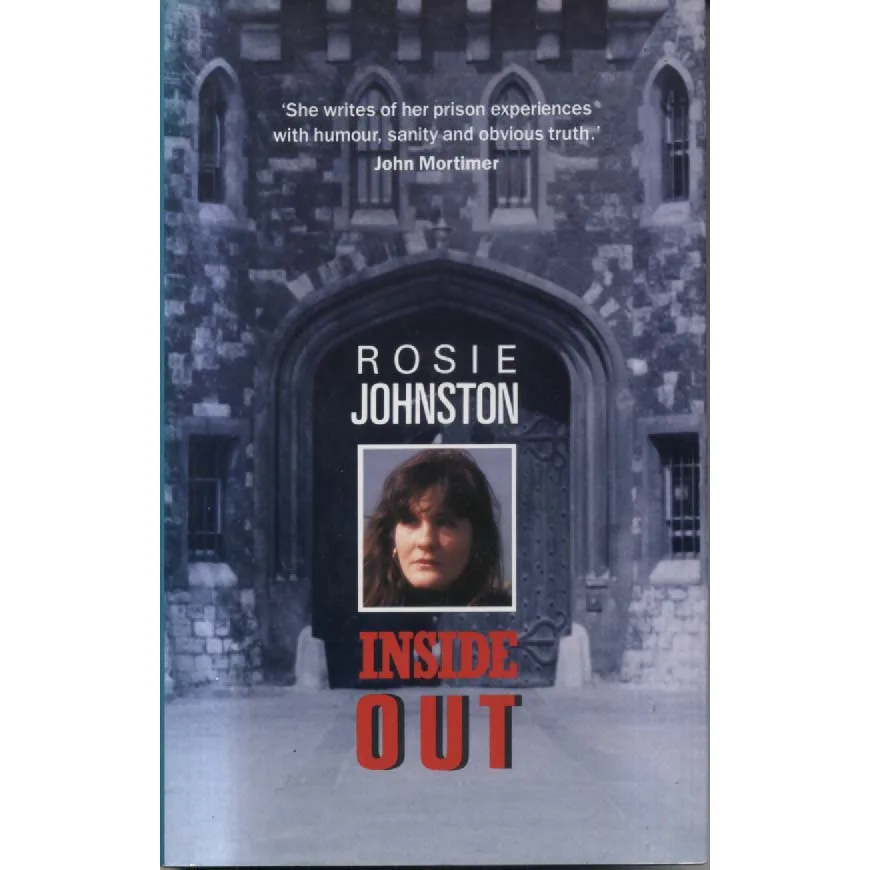
Publisher: Michael Joseph
Format: Hardback
ISBN: 9780718131159
There are memoirs that burst through the door waving scandal like a flag. Inside Out appears to have taken one look at that option, closed the door quietly, and decided to write about the actual consequences instead, which is terribly inconvenient for anyone hoping for champagne, gossip, downfall, and a few names dropped tastefully into the carpet.
Rosie Johnston’s book comes out of the Oxford drugs case of 1986, one of those episodes in which the British press discovered, with theatrical horror, that young people, privilege, drugs, death, friendship, class and moral panic could all be placed in the same sentence and sold briskly before breakfast. The tabloids had their story. Society had its shudder. Everyone with an opinion took up a position. Somewhere inside the noise, real people had to keep existing.
Inside Out is Johnston’s account of prison from the point of view of a female first offender: not a hardened criminal memoir, not a swaggering underworld confession, not a “you won’t believe what happened behind bars” entertainment package with a lurid cover and a lawyer hovering nearby. It is something quieter and probably more useful: an attempt to describe what it is like when the machinery of shame, law, punishment and everyday survival closes around a person who never imagined herself as material for a prison sentence.
The title does excellent work. Prison turns life inside out. Privacy becomes procedure. Ordinary choices become permissions. Time, previously squandered in the usual civilian way, becomes something counted, portioned and watched. The self one had been wearing in public no longer fits. Family, friends, guilt, fear, boredom, humiliation, routine, small kindnesses and small brutalities all rearrange themselves under fluorescent light. A sentence is not just a number of months; it is a change in weather.
Johnston writes against the easy appetite for spectacle. That is the odd bravery of the book. The sensational version practically wrote itself: Oxford, drugs, death, youth, class, headlines, punishment. But Inside Out seems more interested in what comes after the headline has done its work and gone home. What happens to a person waiting for sentence? What happens to her family? What does prison feel like if you arrive not as a symbol but as a frightened individual with a name, a body, and no useful experience of institutional life beyond perhaps school corridors and government forms?
There is a grim comedy in the idea that society loves “justice” most when it can also enjoy a bit of theatre. Public disgrace is very efficient. It turns private disaster into a moral object lesson, then invites everyone else to feel improved by watching. Johnston’s account pushes back against that flattening. It does not ask to be excused from consequence; it asks the reader to notice consequence properly, without the ornamental cruelty that so often gets mistaken for seriousness.
This Michael Joseph copy is in Good condition, which feels apt for a book that has plainly had to live in the real world rather than the clean imaginary one where judgement is simple and consequences are tidy. Crappy Old Books offers it for readers of memoir, true crime without the shouting, prison writing, legal/social history, and anyone interested in the strange British talent for turning tragedy into a headline and then pretending the headline was the whole truth.
Keep browsing: See more Biography books Other books by Rosie Johnston
