


Making Waves
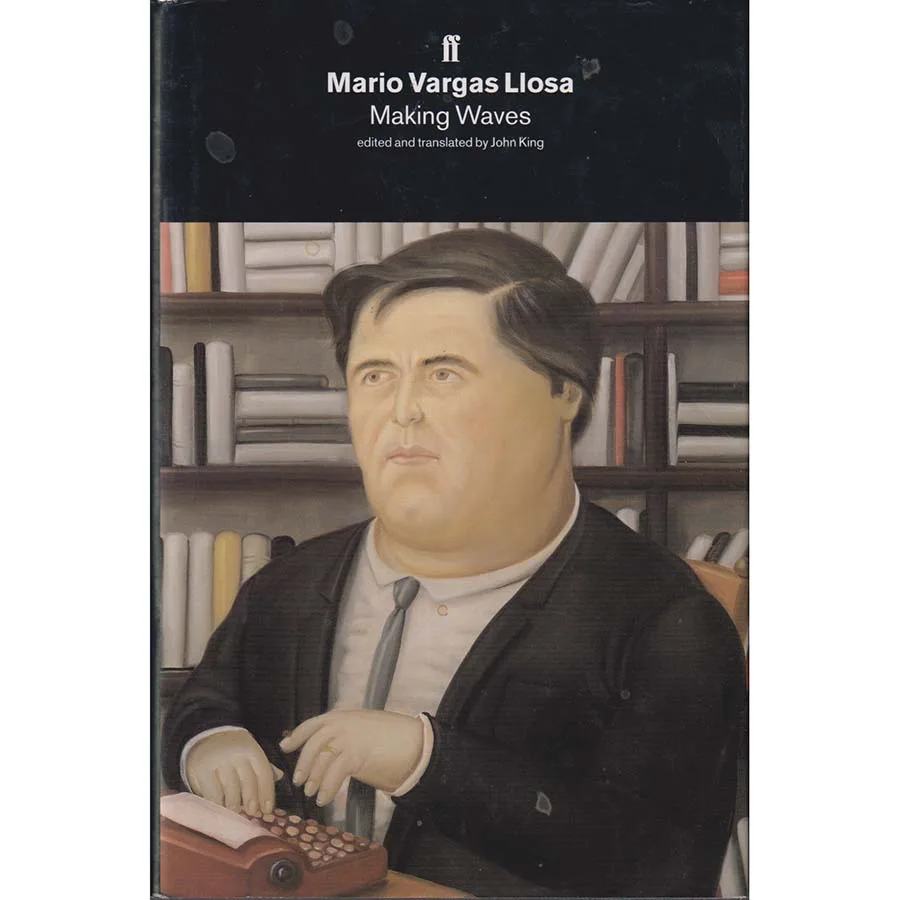
Publisher: Faber and Faber
Format: Hardback
ISBN: 9780571173051
Making Waves (1996) by Mario Vargas Llosa. Faber & Faber. ISBN: 9780571173051. Condition: Good.
There are authors who keep themselves sensibly occupied by writing novels. Then there are authors like Mario Vargas Llosa, who decide that writing internationally acclaimed fiction simply isn’t enough excitement and promptly wander into politics, journalism, public debate and the occasional national election.
One imagines he was not especially good at sitting still.
Making Waves is a collection of essays that reveals Vargas Llosa at his most energetic and provocative. Here is one of the world’s great novelists turning his attention away from fictional republics and towards the gloriously complicated real one, examining politics, culture, censorship, literature, democracy, nationalism and the curious habits of modern society with wit, intelligence and the occasional well-aimed verbal jab.
If you’ve only encountered Vargas Llosa through novels such as The Feast of the Goat or Conversation in the Cathedral, this collection offers a fascinating glimpse behind the curtain. These essays reveal the mind that produced those books: endlessly curious, fiercely articulate and constitutionally incapable of accepting fashionable ideas without first giving them a very thorough interrogation.
The title is particularly apt.
Vargas Llosa does not write to preserve calm waters. He writes to stir debate, question assumptions and occasionally annoy people who had grown rather comfortable believing their opinions were beyond criticism. It is a valuable public service, although perhaps not one guaranteed to increase your invitations to diplomatic dinner parties.
One of the pleasures of this collection is its sheer range. Literature sits comfortably beside politics, personal reflection rubs shoulders with cultural criticism, and discussions of Latin America broaden into questions with universal relevance. Throughout it all runs Vargas Llosa’s deep belief that ideas matter, books matter and free societies depend rather heavily upon citizens being prepared to think for themselves.
An oddly unfashionable notion in every era.
The essays also provide a fascinating snapshot of the mid-1990s, that peculiar moment when the Cold War had ended, globalisation was gathering pace, the internet was still something most people associated with noisy dial-up modems, and many commentators confidently believed history had settled into a more predictable future.
History, naturally, had other plans.
Reading these pieces today is therefore doubly rewarding. They remain engaging in themselves while also reminding us how quickly yesterday’s certainties become today’s historical curiosities. Vargas Llosa’s observations frequently feel remarkably fresh, even when the events that prompted them have long since passed into the history books.
Published by Faber & Faber, this edition carries all the understated confidence one expects from a publisher with an enviable literary pedigree. There is no unnecessary fuss—just thoughtful writing presented with quiet elegance, trusting that readers are perfectly capable of appreciating a serious collection of essays without being bribed by embossed lettering or promises that it will "change everything."
This copy remains in good condition, making it an excellent choice for readers interested in politics, literature, Latin America or simply the pleasures of intelligent disagreement conducted by someone who has clearly done his homework.
From Crappy Old Books—because essay collections are the unsung heroes of the bookshelf. They don’t arrive trailing blockbuster film deals or dramatic cliff-hangers. Instead, they offer something rather rarer: the chance to spend a few hours in the company of a first-rate mind thinking aloud about the world. Mario Vargas Llosa is exceptionally good company. He may not persuade you on every page—and he’d probably be disappointed if he did—but he’ll almost certainly leave you thinking a little harder than you were before you opened the cover. And in a world increasingly convinced that every opinion deserves a megaphone, that’s a refreshing sort of wave to make.
Keep browsing: See more Non-Fiction books Other books by Mario Vargas Llosa
