


Death Of A Salesman
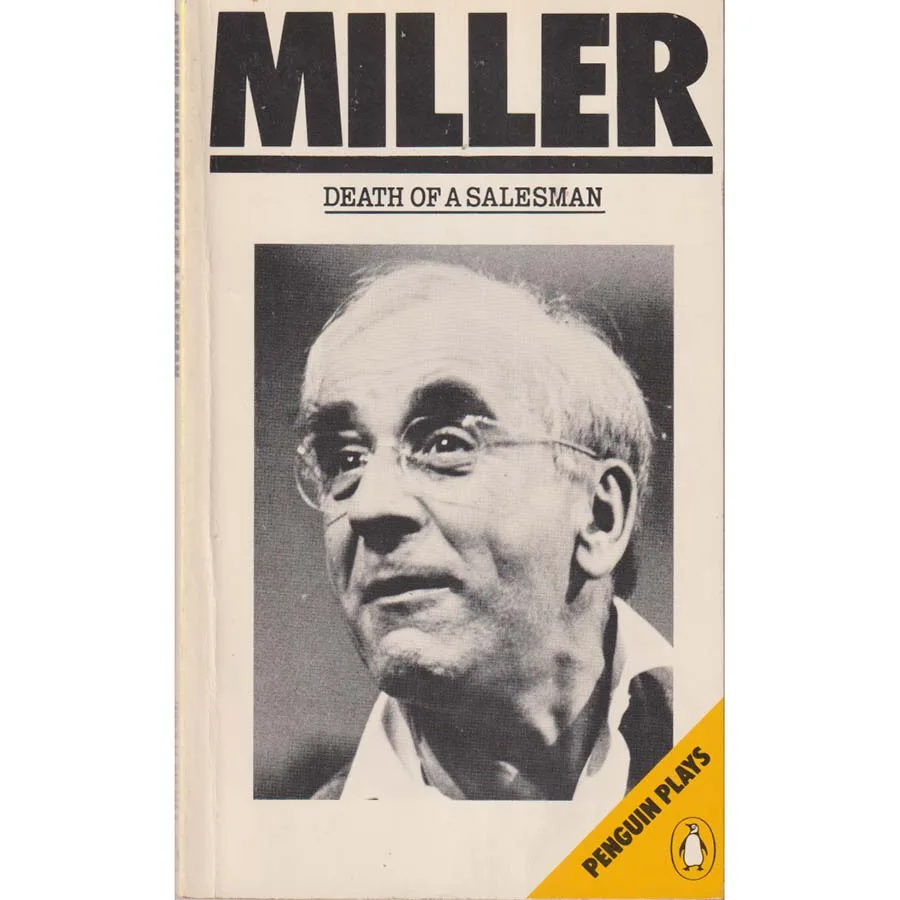
Publisher: Penguin Plays
Format: Paperback
ISBN: 0140480285
There are plays that entertain. There are plays that make audiences think. And then there is Death of a Salesman, Arthur Miller’s enduring masterpiece, which calmly walks on stage, dismantles the American Dream in front of everyone and then leaves theatre-goers staring into the middle distance wondering what just happened.
Published here in a 1980 Penguin Plays edition, this modern classic remains one of the most celebrated dramas of the twentieth century. It tells the story of Willy Loman, a travelling salesman whose faith in success, popularity and hard work collides rather painfully with reality. Unfortunately for Willy, reality proves to be a determined and unsympathetic opponent.
Miller’s genius lies in transforming what might appear to be an ordinary life into a tragedy of genuinely Shakespearean proportions. There are no kings, no battles and no supernatural prophecies. Instead, there are mortgages, expectations, disappointments and family tensions. Somehow these prove every bit as dramatic.
Readers encountering the play for the first time may be surprised by how contemporary it feels. Despite being written in 1949, its concerns remain startlingly familiar. Career anxiety, financial pressure, family expectations and the uncomfortable gap between who we are and who we hoped to become continue to occupy a considerable amount of human attention.
There is a delicious irony at the heart of the story. Willy spends his life believing that success is just around the corner, forever one handshake, one sale or one opportunity away. Readers and audiences, meanwhile, watch with the growing suspicion that the dream itself may be part of the problem. Few works have examined ambition with such sympathy while simultaneously exposing its dangers.
The play also contains some of the finest dialogue in modern drama. Miller captures the rhythms of ordinary conversation while revealing the hopes, regrets and self-deceptions hidden beneath it. The result is writing that feels natural on the surface yet carries extraordinary emotional weight.
What makes Death of a Salesman endure is its humanity. Willy Loman is neither hero nor villain. He is simply recognisable. Most readers can identify moments of themselves in his aspirations, frustrations and stubborn refusal to abandon cherished illusions. It is this uncomfortable familiarity that gives the play its lasting power.
For students, theatre enthusiasts and lovers of modern literature, the work offers endless rewards. It functions simultaneously as family drama, social criticism, psychological study and timeless tragedy. Not bad for a play largely concerned with a man trying to earn a living.
This 1980 Penguin Plays edition remains in good condition and comes from the shelves of Crappy Old Books. It has survived the decades rather better than many of Willy Loman’s business plans and remains a clean, readable and highly collectable copy of a modern classic.
An essential addition for anyone interested in theatre, twentieth-century literature or the curious human tendency to pursue dreams that may not be quite what they seem. Powerful, moving and occasionally devastating, Death of a Salesman remains proof that some of the greatest tragedies occur not in palaces or battlefields, but in ordinary homes where ordinary people dare to hope for something more.
Keep browsing: See more Poetry books Other books by Arthur Miller
