


The Angel In The Corner
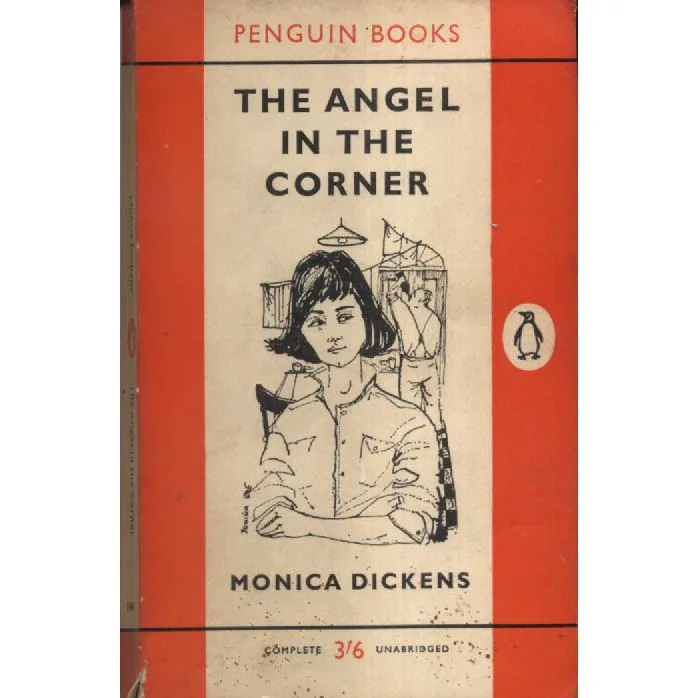
Publisher: Penguin Books
Format: Paperback
ISBN: none
The Angel in the Corner is one of those beautifully observant Monica Dickens novels that seems to understand, with alarming precision, how chaotic ordinary British life actually is beneath its polite surface. Published in this 1960 Penguin edition and now proudly emerging from the ever-shifting paper avalanche known as Crappy Old Books, it survives in Good condition, which suggests it has weathered decades of tea, weather, moving house and human disappointment with admirable resilience.
Monica Dickens possessed a remarkable ability to notice the quiet absurdities of daily existence. While other writers reached for grand tragedy or heroic adventure, Dickens specialised in the much more dangerous territory of families, awkwardness, emotional misunderstandings and people attempting to preserve dignity while everything gently unravels around them. Which, naturally, makes her books feel extraordinarily British.
The Angel in the Corner belongs to that wonderful mid-century literary tradition where the drama arrives not through explosions but through conversation, domestic tension and the gradual accumulation of social discomfort. Somebody is worried. Somebody is hiding something. Somebody is trying desperately to keep the peace. Meanwhile tea continues to be served with grim determination.
The title itself is magnificent. The Angel in the Corner sounds either like a forgotten Victorian painting or the sort of thing an elderly aunt says just before revealing deeply unsettling family information. There is something wonderfully old-fashioned and faintly melancholy about it, which perfectly suits the atmosphere Monica Dickens created so effortlessly.
This Penguin edition almost certainly carries all the familiar charms of a genuinely lived-with paperback. The pages may have yellowed gently into the comforting shade known technically as “oxidation” and emotionally as “second-hand bookshop.” The spine may lean slightly from decades of actual reading. Somewhere inside there is a decent chance of finding an old bus ticket, a pencilled note, or evidence that a previous owner became distracted halfway through chapter four and accidentally used the book as a coaster sometime during the Wilson administration.
Good condition is genuinely respectable for a 1960 Penguin paperback because these books lived hard-working literary lives. They travelled in shopping bags, sat beside wireless sets, survived boarding houses and endured years on crowded shelves between cookbooks and forgotten library sale purchases. Unlike modern prestige hardbacks bought primarily for social media photographs, Penguins like this were expected to be handled constantly by ordinary people eating toast.
What makes Monica Dickens so appealing now is her humanity. She never sneers at her characters, even when they are being ridiculous. And they frequently are. Her world is full of small embarrassments, muddles and emotional near-disasters that feel far more recognisable than the polished lives often presented in contemporary fiction. Reading her today is like overhearing the inner thoughts of post-war Britain itself.
There is also something wonderfully ironic about how these once-common Penguins have slowly transformed into cultural artefacts. A cheap paperback intended for railway journeys and rainy weekends now carries the quiet aura of social history. The cover alone probably contains more authentic atmosphere than an entire season of expensive television nostalgia.
A warm, witty and quietly perceptive survivor from the golden age of British paperback fiction, lovingly rescued once more by Crappy Old Books. Perfect for readers who enjoy domestic comedy, emotional observation, vintage Penguins and the comforting reminder that British people have always coped with life primarily through tea, understatement and low-level panic hidden beneath good manners.
Keep browsing: See more Fiction books Other books by Monica Dickens
