


Chaucer - The Nights Tale
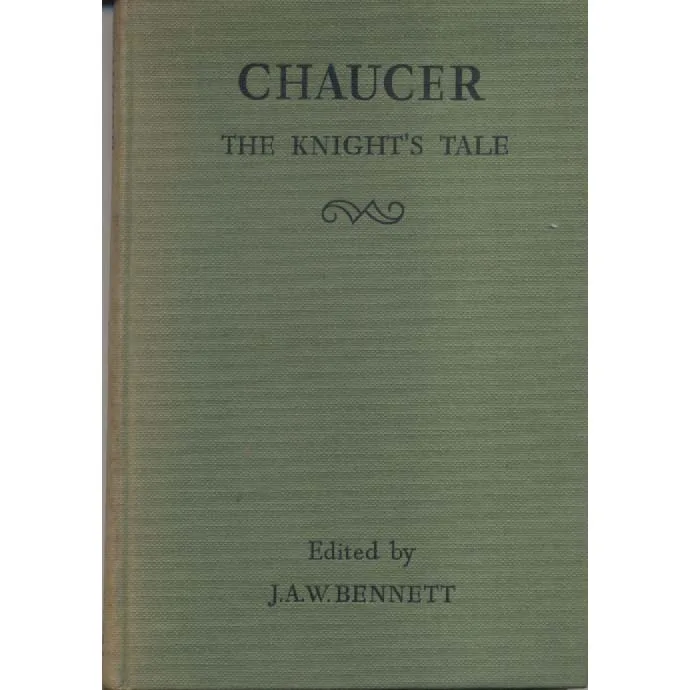
Publisher: George G Harrap
Format: Hardback
ISBN: none
There are texts that arrive neatly packaged and fully explained, and then there are texts that bring their own centuries of commentary with them, occasionally supplemented by whatever the last reader felt compelled to add. Chaucer – The Knight’s Tale (1958), edited by J. A. W. Bennett and published by George G. Harrap, sits somewhere in between: a carefully presented slice of medieval storytelling, accompanied—quite helpfully—by a few extra notes tucked into the back, suggesting that the process of understanding Chaucer has been ongoing for rather longer than this particular edition might imply.
The tale itself, drawn from The Canterbury Tales, offers a story of rivalry, honour, and the occasional intervention of fate, all delivered in a language that feels both familiar and just distant enough to require a moment’s adjustment. Bennett’s role as editor is to guide the reader through this terrain, providing context, explanation, and the occasional reassurance that, yes, this is meant to make sense, even if it takes a little effort to get there.
What emerges is a text that balances narrative with interpretation. The story moves along with a steady confidence, while the editorial apparatus quietly supports the reader’s progress, filling in historical detail and clarifying points that might otherwise remain obscure. It is, in effect, a collaboration across time: Chaucer providing the material, Bennett offering the guidance, and the reader doing the necessary work of bringing the two together.
This 1958 Harrap edition has the solid, slightly earnest feel of mid-century educational publishing—built to be used, consulted, and, on occasion, annotated. This particular copy is listed as Good, which in Crappy Old Books terms suggests it has been part of that process. The cover may show some wear, the spine may have softened, and the pages may carry the faint signs of previous engagement. In addition, there are some pieces of paper tucked into the back with notes on the book, offering a small but intriguing glimpse into how a previous reader approached the text. Whether these notes provide clarity, further complication, or simply evidence of good intentions is, of course, left for you to discover.
It is not a volume that demands to be read in one uninterrupted stretch. More likely, it will be approached in stages, with pauses for reflection, occasional re-reading, and perhaps the odd consultation of those additional notes. Whether you come to it as a student, a casual reader, or simply someone curious about how medieval literature has been presented to more modern audiences, it offers a reading experience that is both structured and open-ended.
A thoughtfully edited classic that bridges centuries with quiet determination, and a perfectly respectable way to suggest that your reading habits include not only the original text, but also the accumulated efforts of those who have tried, with varying degrees of success, to make sense of it along the way.
Keep browsing: See more Medieval Classics books Other books by JAW Bennett
