


The Urban Nation 1920-1960
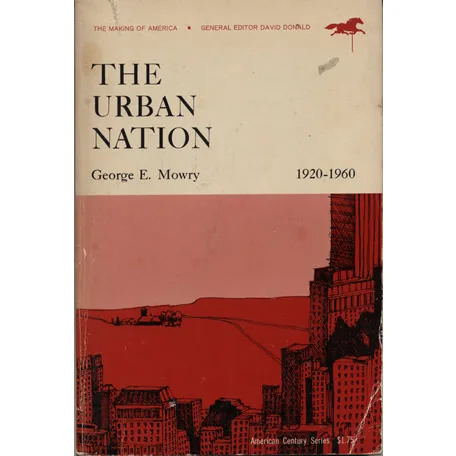
Publisher: Hill and Wang
Format: Paperback
ISBN: Library Of Congress: 65-17423
Are you ready to embark on a rambling journey through the annals of metropolitan history, where George E Mowry, the philosopher of the concrete jungle, showcases his nuanced take on urban life from 1920 to 1960? One cannot help but speculate whether Mowry was observing the world through a monocle, sipping on an espresso while surrounded by the cacophony of clattering typewriters and the faint smell of wet asphalt. The Urban Nation is not just a book; it’s a time capsule for those who have ever pondered how cities evolved from charming little hamlets into sprawling behemoths of brick and mortar, often leaving behind nothing but the echoes of stifled dreams and misplaced pigeons.
In an era where the sound of jazz mingled with the hum of streetcars, Mowry chronicles the growing pains of urbanisation, turning each page into a love letter to the cities that may have lost their allure but gained a certain character—think potholes, traffic jams, and the curious aroma of hot dog stands. He unfolds a narrative that swings between the poetic and the absurd, inviting you to contemplate the existential dilemmas faced by those who dared to inhabit these urban landscapes. One can’t help but imagine that while Mowry was busy documenting the rise of urban nationhood, he was simultaneously dodging a double-decker bus and critiquing the local café’s beans.
What makes this work truly special is Mowry’s unique ability to blend socio-political commentary with an undercurrent of dry British wit. His insights might leave you wondering if he was secretly penning a sitcom script while observing the daily dramas unfolding in the streets below. Who knew that the struggles of urban planning could be rendered with such flair? Who knew that the tale of brick, stone, and concrete could double as an exploration of the human condition?
As you delve into these pages, brace yourself for a rollercoaster of insights, sharp observations, and the occasional historical tidbit that could easily become a party trick at your next soirée. You might find yourself pondering whether city planners are akin to modern-day wizards, conjuring up chaos with every zoning law they draft. Mowry deftly highlights the dichotomy of city life: the hustle and bustle juxtaposed with moments of profound stillness, where one can reflect on the bigger questions of existence, like why the public transit schedule never seems to align with the actual arrival of your bus.
Now, let’s not forget the multitude of characters that drift in and out of Mowry’s urban narrative. From the optimistic street vendor hawking his wares to the existentialist artist painting the skyline, each figure serves as a testament to the vibrant tapestry that is urban life. You might even be left with the feeling that you know them personally, as if they’ve invited you for a cuppa while regaling you with tales of their daily escapades in the concrete maze.
Condition: Used, which is a euphemism for “this book has seen things.” Expect dog-eared corners, the occasional coffee ring—perhaps even a note jotted down by a former owner contemplating the meaning of life amidst the ever-looming skyscrapers. Each mark and stain tells a story, adding an extra layer of charm to Mowry’s already captivating work.
As you flip through these well-worn pages, it’s hard not to appreciate the irony that while cities may have been built on dreams, they are often inhabited by the messy realities of daily life. The Urban Nation doesn’t just recount history; it offers a glimpse into the chaos and beauty that define our existence in these ever-evolving metropolises. In a world dominated by sleek e-readers and sterile PDF files, there’s something refreshingly authentic about holding a second-hand book, especially one from Crappy Old Books. So, grab your cup of tea and prepare to unravel the intricate dance of urbanity that Mowry so whimsically depicts.
Keep browsing: See more History books Other books by George E Mowry
