


Piano
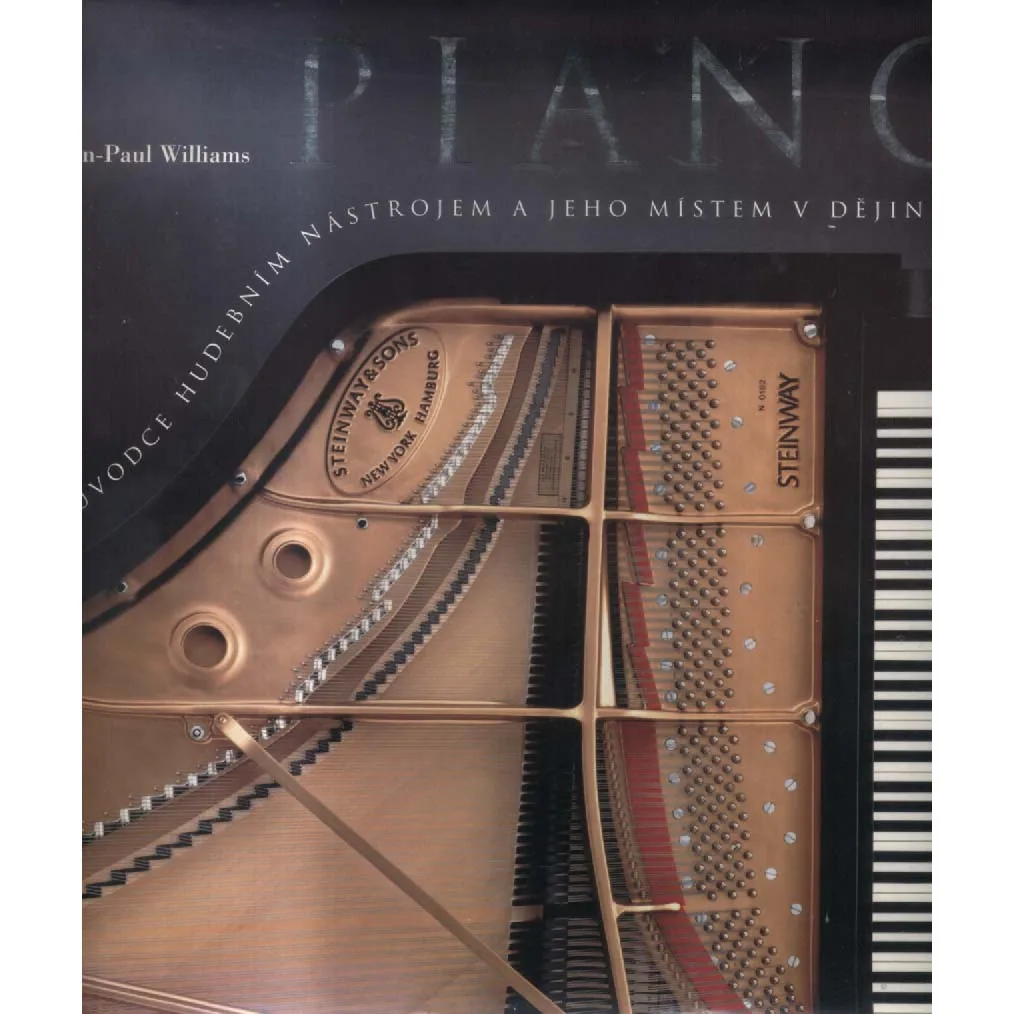
Publisher: Slovart
Format: Hardback
ISBN: 9788072094738
Piano is one of those books whose title displays a magnificent lack of fuss. Not The Complete Illustrated Emotional Journey of the Pianoforte Through Civilisation, not Unlocking the Hidden Secrets of Keyboard Mastery, just Piano. A single word. Eighty-eight keys’ worth of confidence. The sort of title that suggests the book knows perfectly well that the instrument has already done enough of the talking.
And what an instrument it is. The piano is that rare object which manages to be both elegant furniture and a machine for dramatic collapse. It sits there in the corner looking polished and respectable, then suddenly becomes the vehicle for Beethovenian thunder, smoky jazz regret, drawing-room gentility, parental ambition, exam trauma, and the lingering memory of someone in the next room practising the same bar for forty-five minutes in 1997. A book devoted to it has a lot to live up to, and this handsome volume rises to the occasion by treating the piano not merely as an instrument, but as a cultural monument with legs—well, usually three.
Published by Slovart in 2003, this looks very much like the sort of beautifully produced book that understands people enjoy music with their eyes as well as their ears. One imagines rich photography, fine design, glossy pages, and the sort of visual authority that allows a book to rest on a coffee table and silently imply that its owner may, at any moment, have opinions about Bösendorfers. Even if those opinions are limited to “that one looks expensive,” the effect is the same. This is the kind of volume that flatters the room.
Naturally, the piano itself is a gloriously overqualified piece of domestic equipment. It can whisper, rage, charm, accompany, dominate, educate, torment, and impress neighbours. It has been the chosen instrument of prodigies, romantics, film composers, cocktail-lounge survivors, and children who were told they would thank their parents later. Entire emotional civilisations have been built on those keys. The piano is where discipline meets melodrama, where mathematics is briefly allowed to wear velvet, and where middle-class aspiration historically went to stretch its fingers.
A book like this, then, is not simply about hammers and strings. It is about taste, history, craft, and the peculiar way the piano became shorthand for seriousness. Nobody points solemnly at a kazoo and says, “Ah yes, the instrument of civilisation.” But a piano? That is another matter entirely. A piano suggests lessons, recitals, composers with difficult hair, and houses where people once believed culture could be improved by putting a large wooden rectangle in the parlour. This book almost certainly understands that, and celebrates it with the right mixture of admiration and visual splendour.
This copy, sold by Crappy Old Books in Very Good condition, sounds especially appealing because illustrated music books have a habit of either being lovingly kept or absolutely destroyed by casual existence. A Very Good copy means you get the pleasure without the tea stains of history. It should still look refined enough to justify its place in the house, whether you are a genuine piano devotee, a general lover of beautiful books, or simply someone who wants visitors to assume there may be a sonata unfolding just out of sight.
There is also something deliciously ironic about owning a piano book rather than a piano. Much cheaper, for a start. Far easier to tune. Considerably less likely to need specialist removal men or cause floor-related anxiety. You can enjoy the grandeur, craftsmanship, and aura of the instrument without ever having to attempt a scale in front of another human being. It is all the romance of the thing, with very few of the consequences.
So Piano is likely to be one of those volumes that works on several levels at once: part celebration of an instrument, part design object, part gift to anyone who has ever loved the look, sound, or mythology of the keyboard. It is cultured without shouting, handsome without vulgarity, and specific in the satisfying way only a really well-made single-subject book can be. In other words, exactly the sort of treasure Crappy Old Books likes to rescue from the world and place into the hands of someone who will appreciate that a book can be both informative and gloriously unnecessary in the very best sense.
A lovely, elegant volume about one of civilisation’s greatest machines for organised feeling. No tuning required.
Keep browsing: See more Music books Other books by JohnPaul Williams
