


Volkswagen Transporter And Camper 1949-1967
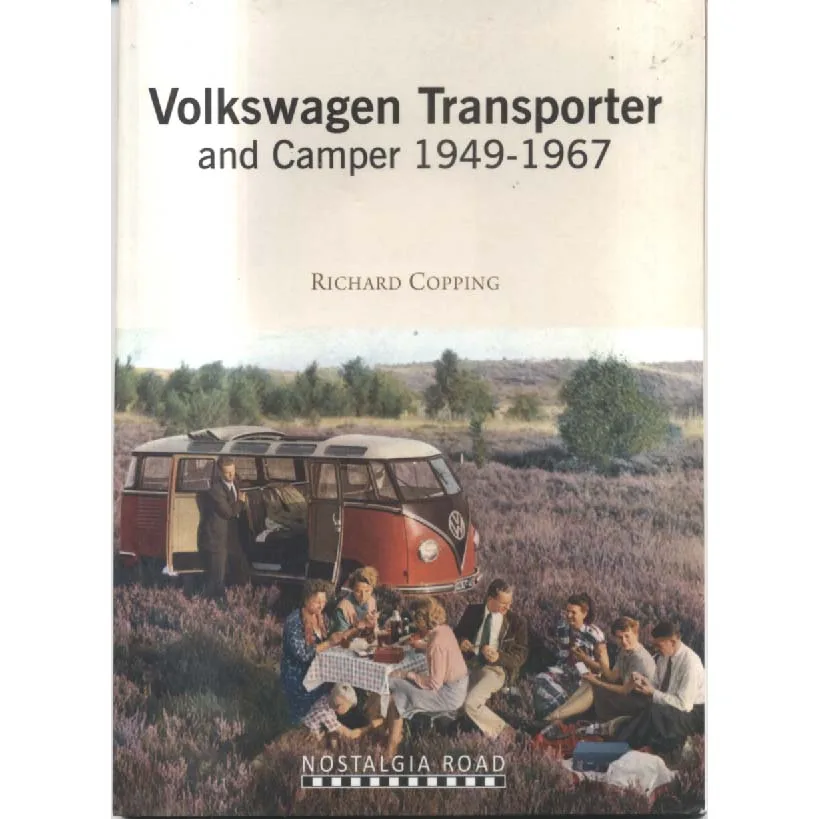
Publisher: Nostalgia Road
Format: Paperback
ISBN: 9781908347268
There are vehicles, and then there are Volkswagen Transporters — machines that somehow graduated from practical utility to full cultural mythology without ever entirely giving up their original purpose of carrying people, tools, luggage, optimism, and the occasional improbable quantity of camping equipment. Volkswagen Transporter and Camper 1949–1967 by Richard Copping, published in 2014 by Nostalgia Road, is a loving tribute to that transformation: from humble post-war workhorse to beloved icon of freedom, engineering charm, and cheerful mechanical perseverance.
This is the period when the legend was forged. The early Transporters and Campers were not designed to become objets of nostalgia, polished stars of classic vehicle shows, or the subject of misty-eyed discussions involving split screens and original trim. They were built to be useful. To work. To haul. To get on with it. Which, naturally, is precisely how they ended up becoming cool. Nothing acquires cultural status faster than a machine that began life with absolutely no intention of doing so.
From 1949 to 1967, the Volkswagen Transporter evolved into one of the most recognisable vehicles on the road — a shape so simple and distinctive that it now seems to exist half in history and half in collective memory. Here was a van that could be a tradesman’s companion one day, a family’s holiday escape vehicle the next, and eventually a camper with curtains, a kettle and grand ambitions of coastal freedom. It is difficult to think of many other vehicles that so successfully bridged the gap between utility and lifestyle while still looking faintly as if they ought to be delivering bread.
Richard Copping is exactly the sort of author one wants for a subject like this: someone likely to understand not just the specifications and chronology, but the deeper appeal of these vehicles. Books like this are at their best when they combine proper historical detail with an appreciation of why people care so much. Because people do care. Deeply. Almost unreasonably. The early Volkswagen Transporter inspires a kind of devotion usually reserved for vintage watches, old guitars, and obscure football managers who “understood the club.” There are enthusiasts who can identify subtle variations in trim, body style, window configuration or production year with the unblinking confidence of a forensic analyst.
And really, who can blame them? The Transporter has one of the great design stories of the twentieth century: practical, unfussy, a little endearingly blunt, yet instantly lovable. It looks as though someone drew the absolute minimum amount of vehicle necessary and then accidentally created a classic. That boxy honesty is part of the charm. It does not preen. It does not posture. It simply exists in a state of permanent readiness to carry things somewhere interesting.
The camper variants, of course, add another layer of romance. Here the workhorse becomes a dream machine: a compact promise of escape, mobility and modest adventure. Not luxury, exactly. More a kind of cheerful freedom with folding seats. The great appeal of the classic camper is that it suggests one might leave ordinary life behind with little more than a map, a stove, and a willingness to accept that uphill progress may be steady rather than rapid. In an age of oversized modern leisure vehicles equipped like luxury flats, the early Volkswagen camper remains gloriously simple. It offers not indulgence, but character.
There is also a gentle irony in the whole classic VW phenomenon. These vehicles began as practical and affordable tools of everyday life. Now they are lovingly restored, meticulously documented, and discussed with scholarly seriousness by people who may use them for exactly three sunny weekends a year. The humble van has become heritage. The utility box has become a style statement. Progress, one supposes, is full of surprises.
This Good copy, sold by the ever-misleadingly named Crappy Old Books, is a fine piece for enthusiasts of classic Volkswagens, motoring history, camper culture, and the strange alchemy by which useful objects become beloved icons. It has the honourable condition of a book meant to be consulted, admired, and perhaps compared against a real vehicle in a driveway while someone says, with enormous seriousness, “That’s not quite the right year for that badge.”
A splendid read for anyone who loves classic transport, post-war design, and the enduring magic of vehicles that seem to promise both work and escape, Volkswagen Transporter and Camper 1949–1967 is a reminder that some of the most charming motoring legends began not with glamour, but with practicality — and a surprisingly well-shaped van.
Keep browsing: See more Transport books Other books by Richard Copping
