


Bonsai DIY
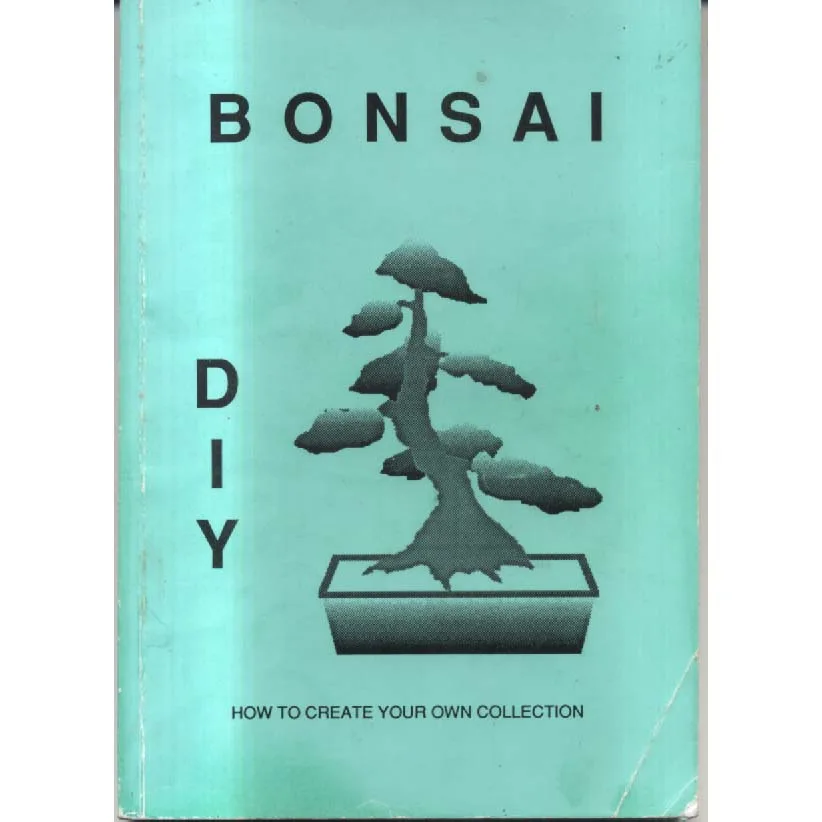
Publisher: Dajo
Format: Paperback
ISBN: none
There are hobbies, and then there are hobbies that quietly demand patience, discipline, a steady hand, and the emotional resilience to spend years persuading a small tree to behave artistically. Bonsai DIY by Dajo belongs firmly in that second category. Published in 1992 and charmingly self-published, this is the sort of book that invites the reader into the strangely calming world of miniature trees and the very large amount of patience required to create them.
Bonsai, of course, is the ancient and rather poetic art of cultivating trees in miniature form so that they resemble their full-sized relatives growing bravely on mountainsides, windswept cliffs, or picturesque landscapes. The miracle of bonsai is that it manages to compress decades of natural growth and aesthetic judgement into a small pot on a windowsill. In other words, it is gardening with a distinctly philosophical streak. One does not simply “grow” a bonsai; one collaborates with it over time while pretending to be in charge.
A book titled Bonsai DIY has a particularly appealing practicality about it. It suggests that the mysterious world of bonsai — normally associated with patient masters, delicate tools and an air of serene expertise — can, in fact, be attempted by ordinary mortals armed with enthusiasm, a pair of pruning shears and a willingness to learn from the occasional horticultural misjudgement. It is the sort of book that cheerfully reassures readers that they too can begin shaping tiny landscapes, provided they are prepared to develop a relationship with time measured in years rather than weekends.
The self-published nature of the book adds its own special charm. Self-published hobby books often come from people who genuinely care about their subject rather than those who merely sensed a publishing opportunity. One imagines Dajo as someone deeply committed to the quiet craft of bonsai — the sort of person who has spent many hours studying branches, trimming roots, wiring trunks and contemplating whether a particular tree is leaning slightly too far to the left to convey the proper sense of natural elegance. In short, a true enthusiast.
There is something wonderfully ironic about bonsai itself. Here we have an art form dedicated to controlling nature, carefully guiding a living tree into the illusion of wildness. The gardener prunes, wires, shapes and trims with great deliberation, all in order to make the final result look as though it has been sculpted by wind, age and chance. It is nature, thoughtfully arranged. A small forest reduced to a tabletop. A tree persuaded to live its life inside a ceramic bowl while looking entirely dignified about the situation.
Books like Bonsai DIY often carry an unexpected tranquillity. They encourage the reader to slow down, to pay attention to growth and form, and to appreciate the quiet satisfaction of gradual progress. In a world increasingly obsessed with speed, efficiency and instant results, bonsai offers something refreshingly stubborn: beauty achieved slowly. If the tree is not ready this year, it may be ready next year, or the year after that. The plant, it turns out, has its own timetable.
This copy is in Good condition and arrives from the ever-honestly titled Crappy Old Books, whose name continues to undersell the surprising variety of treasures passing through its shelves. The book remains perfectly readable and ready to guide another aspiring bonsai enthusiast through the delicate balance of pruning, shaping and patient observation.
For readers interested in gardening, miniature landscapes, or the subtle art of convincing a tree to behave like a mountain veteran despite living in a flowerpot, Bonsai DIY offers an appealingly personal introduction to the craft. It is a reminder that some of the most satisfying projects in life involve small trees, careful scissors, and a great deal of patience — all undertaken with the quiet hope that, in time, the result will look effortlessly natural.
144 pages.
Keep browsing: See more Gardening books Other books by Dajo
