


The Birth Of Venus
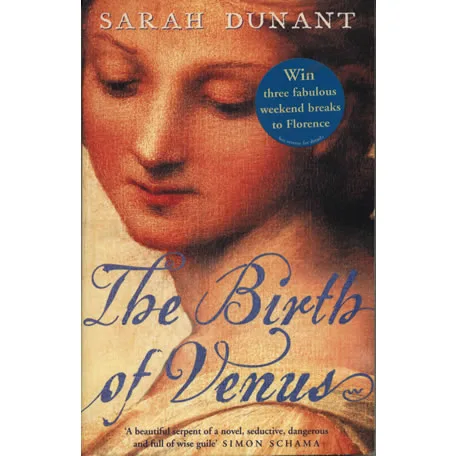
Publisher: Virago Press Ltd
ISBN: 1844080358
In the fanciful world of art history, where paintbrushes wield more power than swords and canvases whisper secrets of the ages, we encounter the exquisite endeavor known as "The Birth of Venus." Fear not, dear reader, for this isn’t a mere introduction to a bygone era of artistic flourish; instead, it’s a jolly romp through the tangled web of human ambition, desire, and the occasional existential crisis, brought to you by the ever-enthusiastic Sarah Dunant. Published in 2005 by the illustrious Virago Press Ltd., this book promises to tickle your intellectual fancy while simultaneously making you question how much you truly know about the Renaissance—spoiler alert: it’s probably less than your Instagram followers think.
You might be wondering what exactly “The Birth of Venus” has to do with the actual birth of the goddess of love and beauty. Well, without giving too much away (we’re not spoilers, just enthusiastic advocates for literary suspense), let’s say it involves more than just a splash of paint and a visionary artist. Expect a kaleidoscope of characters, none of whom were likely to be found in your grandmother’s collection of cat-themed greeting cards, and each representing the vibrant tapestry of life during the turbulent Renaissance—where scandal, love, and art were all just a brushstroke away from chaos.
As you flip through the pages, you’ll be introduced to a cavalcade of intriguing figures, from the starry-eyed artist herself to the patrons whose wallets tend to be as empty as their hearts. Dunant paints a picture—pun absolutely intended—of a time when the lines between passion and patronage were as blurred as a Monet in a rainstorm. Readers can expect to indulge in an ironic exploration of creativity that is as intoxicating as it is maddening, as characters grapple with their desires amidst the constraints of a society that has the audacity to impose such things.
What truly sets this tale apart is how it captures the very essence of what it means to be human—flawed, ambitious, and utterly perplexed by the universe. Those who think they know the story of Venus might want to brace themselves for a few unexpected twists—imagine if Shakespeare had written a romantic comedy but forgot to include a happy ending, and you’ll be halfway there.
Why read this book, you ask? Well, aside from the delightful irony of engaging with art that is centuries old, there’s a certain satisfaction in being well-versed in a narrative that is both entertaining and enlightening. Plus, it gives you ample fodder for conversation at the next dinner party when someone inevitably brings up their recent trip to Florence. You’ll be the one dropping references about the art scene, while others flounder about in a sea of uninformed small talk.
- Explore the chaotic dynamics between artists and their patrons.
- Delve into a world where beauty is both a gift and a curse.
- Experience the Renaissance through the eyes of those who lived it—sans the pesky time travel.
- Question your own definitions of love and artistry while sipping your tea.
- Marvel at how history’s greatest stories often emerge from the messiest of situations.
Condition: This book is used, which means it carries the weight of someone else’s literary journey within its pages, likely adorned with the occasional dog-eared corner or mysterious stain that could inspire its own backstory. Some might say it has character; others might say it’s just plain old. Either way, it’s ready for a new home—perhaps yours, if you’re willing to embrace a bit of literary quirkiness. So, if you’re feeling adventurous and fancy a good read that’s as thought-provoking as it is entertaining, look no further than this inviting tome.
So come on down to Crappy Old Books, where we celebrate the beautifully imperfect, and let “The Birth of Venus” become the unusual conversation starter you never knew you needed. You might just find that the art of storytelling has never been more vibrant—or more ironically delightful.
Keep browsing: See more Womens books Other books by Sarah Dunant
