


One Art - The Seected Letters
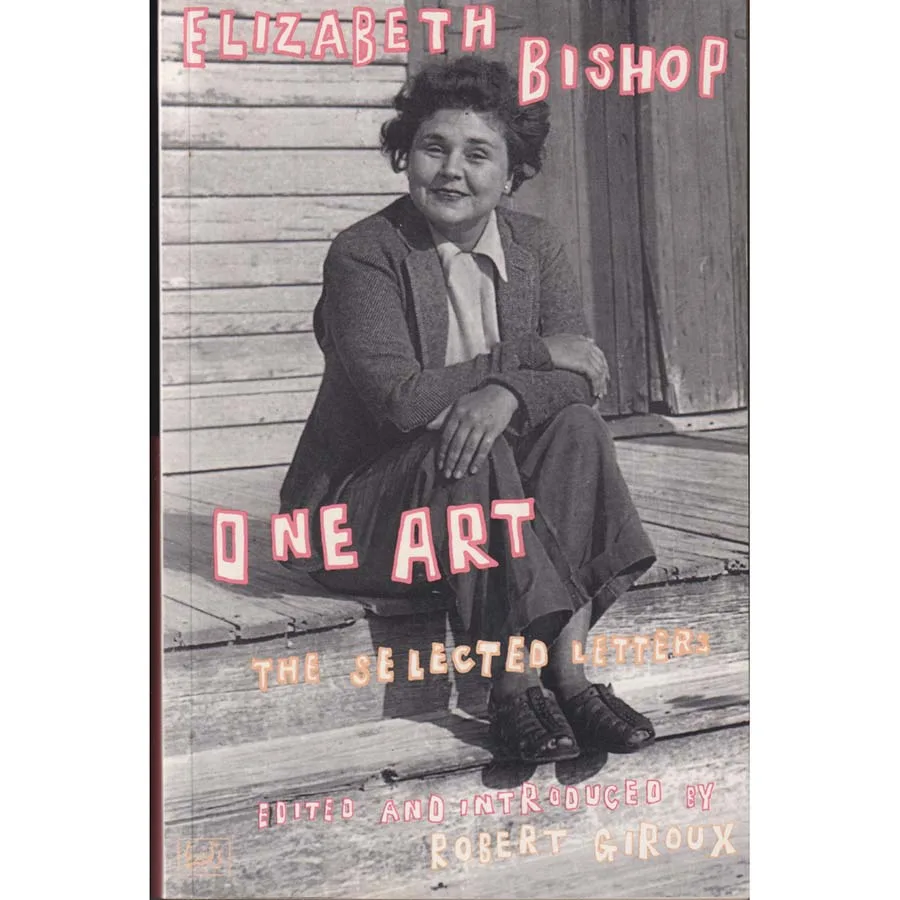
Publisher: Pimlico
Format: Paperback
ISBN: 9780712673655
There are books of letters, and then there is One Art – The Selected Letters by Elizabeth Bishop, which arrives with the faintly intimidating poise of someone who could probably write a better postcard than most people can manage in a lifetime.
Published in this 1996 Pimlico edition, One Art is not merely a bundle of correspondence tied up for literary voyeurs. It is Elizabeth Bishop — one of those writers whose sentences seem to have been assembled under unusually strict atmospheric conditions — in epistolary form. Which means wit, intelligence, observation, precision, and that rare miraculous quality of making even ordinary remarks feel as though they have somehow been rinsed in better light.
And what a title. One Art. Borrowed, of course, from Bishop’s famous villanelle, it lends the whole volume an air of elegant melancholy before you have even turned a page. Yet there is something deliciously ironic about using such a title for selected letters, because letters are so often where great writers stop being granite busts of literary excellence and become gloriously, recognisably human. They complain, gossip, reflect, fret, enthuse, apologise, notice weather, discuss money, travel, deadlines, furniture, illness, friendship, love, and the thousand untidy details that never make it into the polished marble of reputation. In other words, the “art” here includes the high literary kind and the ancient domestic kind of getting through the week.
Elizabeth Bishop is especially suited to this form because she was one of literature’s great noticers. Some writers hammer reality into shape. Bishop quietly looks at it until it gives up its secrets. In letters, that gift becomes even more intimate. One imagines sharp descriptions, dry humour, emotional undercurrents, social detail, and the sort of passing phrases that lesser writers would spend six months trying unsuccessfully to invent. She had the maddening habit, common to the very best people, of sounding effortless while being anything but.
As sold by Crappy Old Books, this copy is in good condition, which is exactly right for a 1996 literary paperback of this calibre. It suggests a life of thoughtful ownership rather than neglect: perhaps read slowly, perhaps dipped into, perhaps kept by someone who liked poetry, letters, or simply the company of serious minds behaving informally. A good-condition copy of selected letters has a pleasingly civilised air. It looks like the sort of book one keeps near a bed, an armchair, or a teacup, not because it must be conquered, but because it can be returned to.
There is also something wonderfully unfashionable about a letters collection now. We live in an age of messages dashed off with thumbs, emails written like hostage notes, and public over-sharing disguised as intimacy. Then along comes a volume like One Art, reminding us that correspondence once had cadence, texture and the occasional complete sentence. People wrote to each other. Properly. On paper. With wit and patience and the expectation that thoughts might be worth forming before transmission. Frankly, it all seems rather decadent.
And yet letters are never just about elegance. They are where the machinery of a life becomes visible. A selected letters volume is an authorised rummage through the drawers of a mind. You get the public figure and the private weather. The friendships, the anxieties, the passing enthusiasms, the work in progress, the places visited, the frustrations endured. With Bishop, that is especially enticing, because hers was such a life of movement, sensitivity, distance and perception. The letters promise not only literary insight but the rich accidental detail of a person living through time rather than posing for posterity.
Naturally, there is irony too in the typo of fate that produced The Seected Letters in your description, which somehow only improves the atmosphere. A selected letters collection is exactly the sort of thing that deserves a tiny stumble in transcription, as if the title itself had been copied from a note in haste by someone distracted by a particularly good sentence. Crappy Old Books bears no grudge. Literary glamour can withstand the loss of an “l”.
For collectors, this is a lovely thing: Elizabeth Bishop in paperback, a substantial and approachable doorway into her life and thought, and a book that belongs equally well among poetry, biography, literary essays and twentieth-century letters. For readers, it offers one of the finest pleasures available in second-hand bookselling: the chance to overhear intelligence without the stiffness of formal reputation. For shelf appeal, it is excellent. A copy of One Art suggests discernment, taste, and the possibility that somebody in the house prefers actual writing to whatever is currently happening online.
It is also the sort of book that improves a room simply by existing in it. Letters collections do that. They imply that conversation matters, that personality survives on the page, and that literature is not only made of finished masterpieces but also of friendships, drafts, delays, travels, moods and envelopes. Bishop, being Bishop, almost certainly makes all of this seem more graceful than the rest of us manage.
So here we have a good-condition 1996 Pimlico edition of One Art – The Selected Letters: elegant, intimate, literary, and full of the special charm that comes when a major writer is allowed to sound like herself between occasions of official greatness. It is thoughtful without being pompous, personal without being sloppy, and clever without ever needing to show off.
One Art is exactly the kind of book Crappy Old Books likes to pass on: serious but companionable, cultured but alive, and quietly full of the everyday miracle that one human being can write to another in sentences worth keeping. If you like poetry, literary lives, collected letters, or simply the thrill of spending time in the company of a first-rate mind off duty, this is a very fine thing indeed.
Keep browsing: See more Biography books Other books by Elizabeth Bishop
