


Systems Analysis And Design
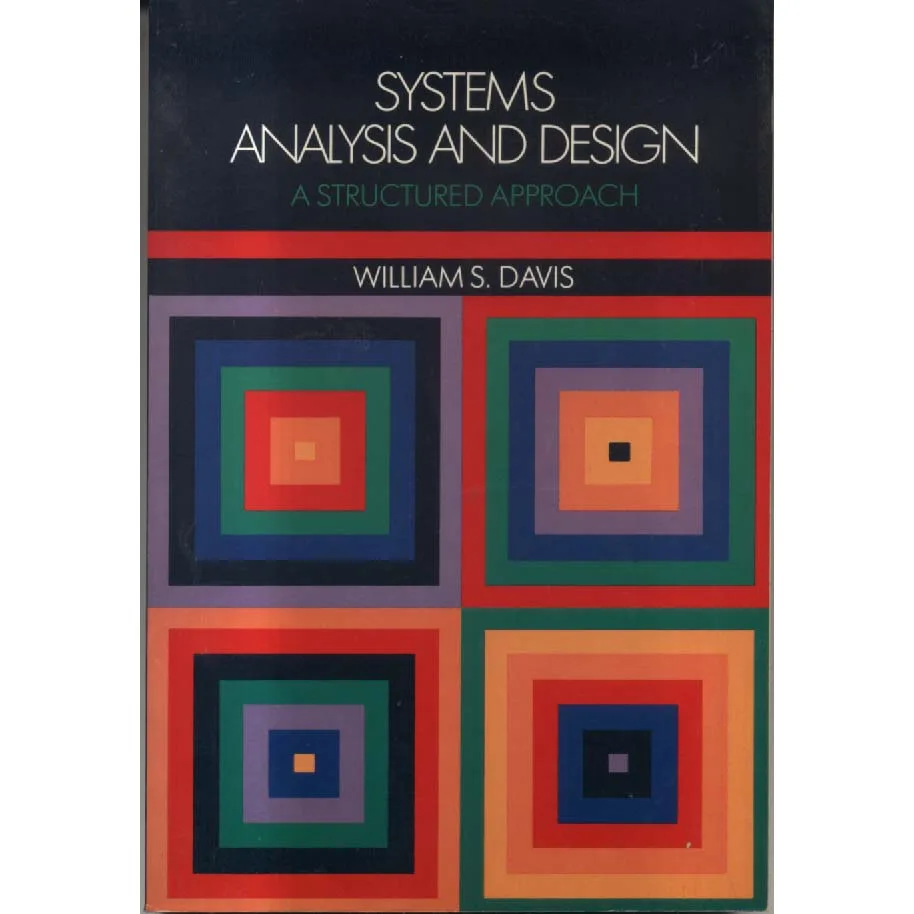
Publisher: Addison-Wesley
Format: Paperback
ISBN: 0201102714
Systems Analysis and Design (1983) by William S. Davis. Addison-Wesley. ISBN: 0201102714. Condition: Good. Sold by Crappy Old Books, where the methodologies are structured and the nostalgia is waterfall.
This is not a book about vibes. It is a book about flowcharts. Serious flowcharts. The kind drawn with rulers. The kind that imply civilisation depends on boxes connected by arrows. In 1983, before “move fast and break things” became a business model, William S. Davis was calmly explaining that perhaps we should think first, design properly, and then build the thing.
Revolutionary.
Systems Analysis and Design belongs to that golden age of computing when projects were capital-P Projects, documentation was not optional, and someone somewhere believed that if you just captured the requirements correctly, everything would be fine. (Pause for collective laughter from anyone who has ever dealt with “stakeholders.”)
Inside you’ll find the full ceremonial procession: feasibility studies, requirements gathering, logical design, physical design, implementation, maintenance. The sacred lifecycle. The idea that systems are not accidents but architectures — structures that deserve blueprints before bulldozers. There are diagrams. There are models. There is terminology that sounds like it should be delivered while adjusting spectacles.
It’s beautifully earnest. Davis writes with the calm authority of a man who believes in process. He trusts that analysis can tame chaos, that documentation can prevent disaster, and that if we define the problem clearly enough, we might avoid spending six months building the wrong solution. There is something almost heroic about this optimism.
Reading it today is deliciously ironic. In an era of agile sprints, hotfixes, MVPs, and “we’ll refactor later,” here is a 1983 manual insisting that clarity and structure are virtues. It assumes people will read specifications. It assumes meetings will produce decisions. It assumes change requests will be handled rationally. One almost wants to hug it gently and say, “You sweet summer methodology.”
And yet — here’s the uncomfortable truth — it’s still right. Strip away the shoulder pads and floppy disks and you’re left with fundamentals that haven’t aged a day. Understand the business. Define the problem. Design deliberately. Respect the system. It’s not glamorous, but neither is debugging at 2 a.m. because someone skipped the analysis phase.
Condition: Good — which feels appropriate. A systems book should look consulted. Perhaps it sat on a desk during long design sessions. Perhaps someone annotated it in pencil while wrestling with a particularly stubborn requirements document. It has the quiet, slightly worn dignity of something that has tried to impose order on the universe.
Ideal for:
-
vintage computing enthusiasts,
-
software engineers who enjoy seeing where “best practice” began,
-
project managers seeking comfort in the arms of structure,
-
and anyone who suspects that maybe, just maybe, planning first isn’t such a radical idea.
So here it is: a solid, methodical, wonderfully structured relic from the age when documentation was king and systems were designed with deliberation rather than caffeine.
Crappy Old Books — delivering classic methodology, properly analysed, sensibly designed, and almost certainly documented in triplicate.
Keep browsing: See more IT books Other books by William S Davis
