


LAmante Anglaise
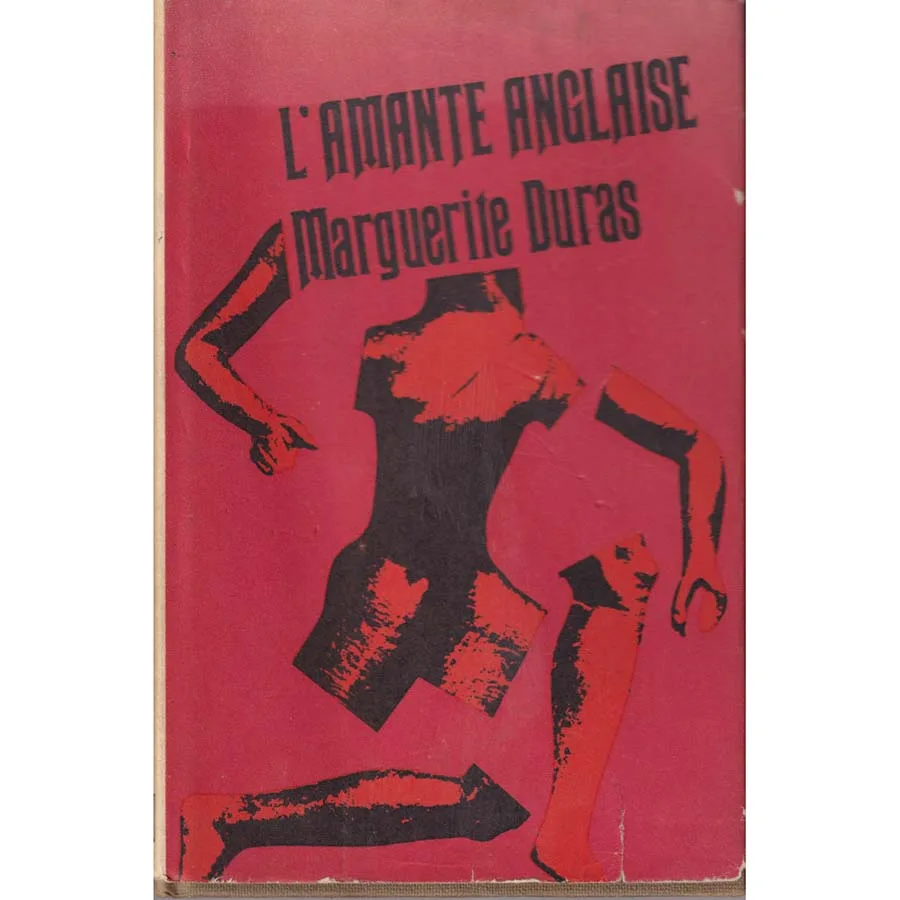
Publisher: Hamish Hamilton
Format: Hardback
ISBN: none
Ah, L’Amante Anglaise (1968) by Marguerite Duras, published by Hamish Hamilton—a novel that politely declines to behave like a novel and instead settles down to interrogate you.
This is Duras in full, distilled, unnervingly calm mode. There is a crime. There is a woman. There are conversations that circle, return, pause, breathe, and then quietly dismantle your sense of narrative comfort. If you are expecting plot in the traditional sense—things happening briskly, motives explained, tea served—you will instead receive something far more French: silence, repetition, and the slow peeling back of consciousness like an onion that stares back at you.
The book reads almost like a transcript. Questions. Answers. Gaps. It’s less “whodunnit” and more “what does it mean to exist in a suburban house while the world hums indifferently outside?” Duras has the unnerving gift of making a room feel like a philosophical abyss. A woman sits. A husband speaks. An interviewer asks. You, dear reader, become complicit.
Published in 1968—of course it was 1968—this slim volume carries all the quiet existential electricity of the era without once raising its voice. While other books were marching in the streets, Duras was sitting at the kitchen table, dismantling the concept of identity with a teaspoon.
Now, about this particular copy from Crappy Old Books: it is in Fair condition and slightly warped. Which, frankly, feels thematically appropriate. A straight, rigid, perfectly square copy of Duras would almost be suspicious. The gentle warp suggests it has lived. Perhaps it absorbed a little damp existential dread. Perhaps it simply leaned too long against other morally ambiguous paperbacks. Either way, it adds character. And Duras would approve of character.
There’s no ISBN to clutch like a comforting barcode. Just paper, thought, and the faint air of Parisian detachment.
This is not a beach read (unless your beach is grey and windswept and you’re contemplating the fragility of meaning). It is, however, the sort of book that makes you feel terribly intelligent for owning it, even if you occasionally reread a page three times while whispering, “Wait… what just happened?”
If you enjoy fiction that behaves more like a psychological séance than a story, and if you appreciate a copy that has physically absorbed the passage of time, then this slightly warped, quietly intense slice of 1960s literary cool is waiting for you.
Crappy Old Books: where even existentialism comes with a gentle bend.
Keep browsing: See more French books Other books by Margaret Duras
