


Rover 2000 And 2200 1963-1977
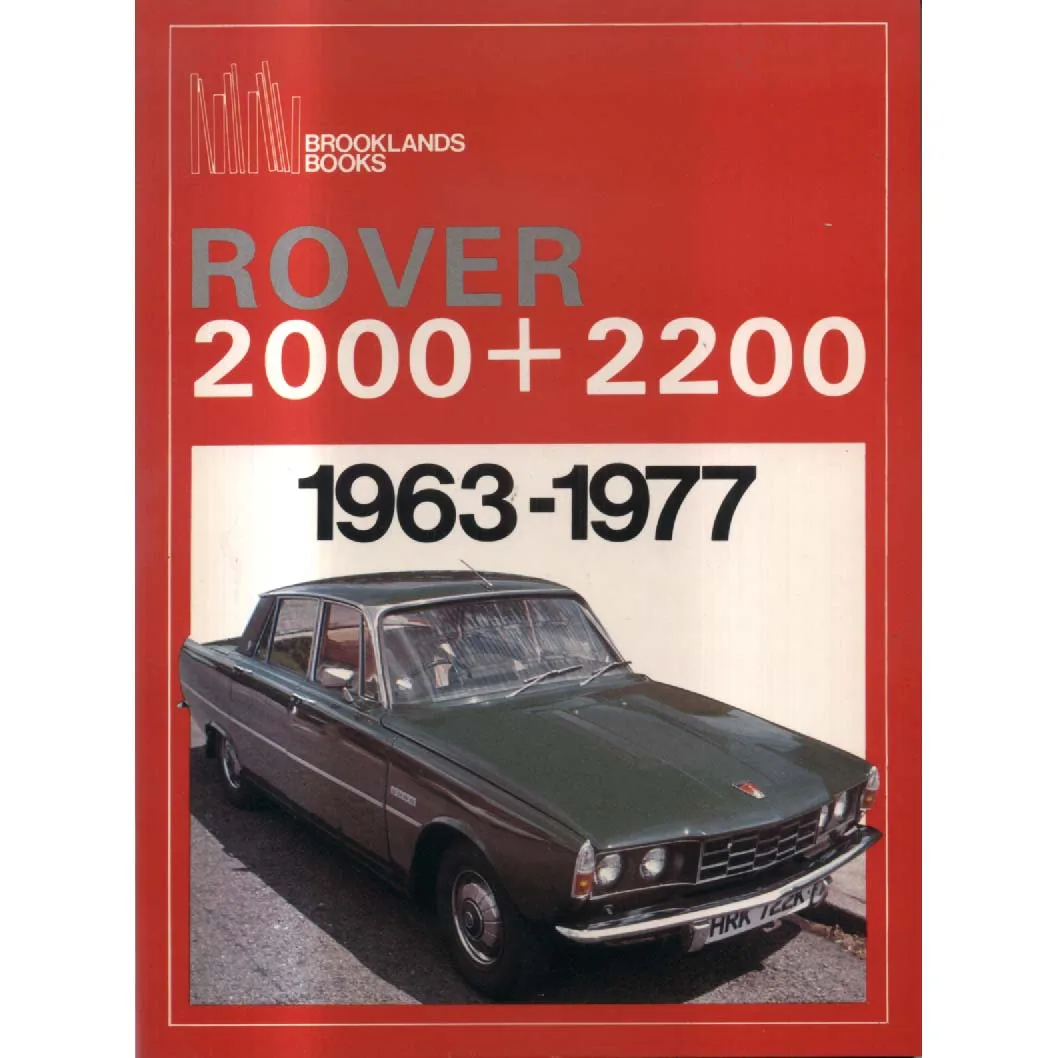
Publisher: Brooklands Book Distribution
Format: Paperback
ISBN: 0907073867
Rover 2000 and 2200 1963–1977 (1983) by R. M. Clarke
Brooklands Book Distribution | ISBN: 0907073867
Condition: Good
As sold by Crappy Old Books
There are cars that make a fuss. Then there’s the Rover 2000 / 2200 approach: quiet confidence, clean lines, and the steady belief that being right is better than being loud. If you’ve ever admired a car for looking like it could chair a committee, drive to the opera, and still get you home in the rain without drama, congratulations — you already understand the Rover P6 vibe.
This Brooklands volume is a proper treat for anyone who likes their motoring history served the classic way: period road tests, contemporary reviews, specs and commentary, all gathered together so you can read what the motoring press thought at the time, not what people claim they thought later after prices went up and nostalgia became a hobby.
The Rover 2000, arriving in the early 1960s, was one of those cars that made Britain look briefly modern, clever, and slightly futuristic. It was engineered, it was innovative, it was designed with a kind of clean, architectural seriousness — a car that didn’t try to be glamorous so much as correct. Then the 2200 followed, bringing more shove, more refinement, and the sense that Rover knew exactly who its customers were: people who liked proper engineering, proper comfort, and the subtle social power of a car that says “I’m doing well” without shouting it across the car park.
And that’s where the fun of this book really lies: the tone of the reviews. Period road testers had a particular style — part gentlemanly authority, part technical obsession, part quiet judgement. They’ll praise ride quality like it’s a moral virtue. They’ll discuss handling with the seriousness of national policy. They’ll describe acceleration in a way that makes 0–60 sound like a philosophical journey. And every now and then, they’ll politely note something catastrophic in that dry British way that translates as: “This is unacceptable, but we shall not be dramatic.”
As a 1963–1977 range, this also spans an era where the whole world changed while the Rover calmly continued being itself: the swing of the 60s, the squeeze of the 70s, oil crises, shifting tastes, new rivals — and yet the P6 kept doing that signature Rover thing: thoughtful engineering wrapped in understated style, with an interior that makes you feel you should own a better umbrella.
If you’re restoring one, dreaming of one, remembering one, or simply fascinated by how cars used to be written about when “refinement” was a headline feature, this is a cracking slice of motoring time travel. The Brooklands format is perfect for it: you can dip in, compare tests, spot the recurring praises and complaints, and watch the narrative evolve across the years as updates arrive and expectations change.
This copy is Good, meaning it’s been handled and enjoyed — as it should be. These books are meant to be pored over, not sealed in plastic. Expect honest wear, but plenty of life left for another round of armchair motoring.
From Crappy Old Books: because some classics don’t roar. They purr, they cruise, they corner with dignity — and they leave behind enough road tests to prove they were never just “an old Rover.” They were an idea of how to do things properly.
Keep browsing: See more Transport books Other books by RM Clarke
