


Tchaikovsky
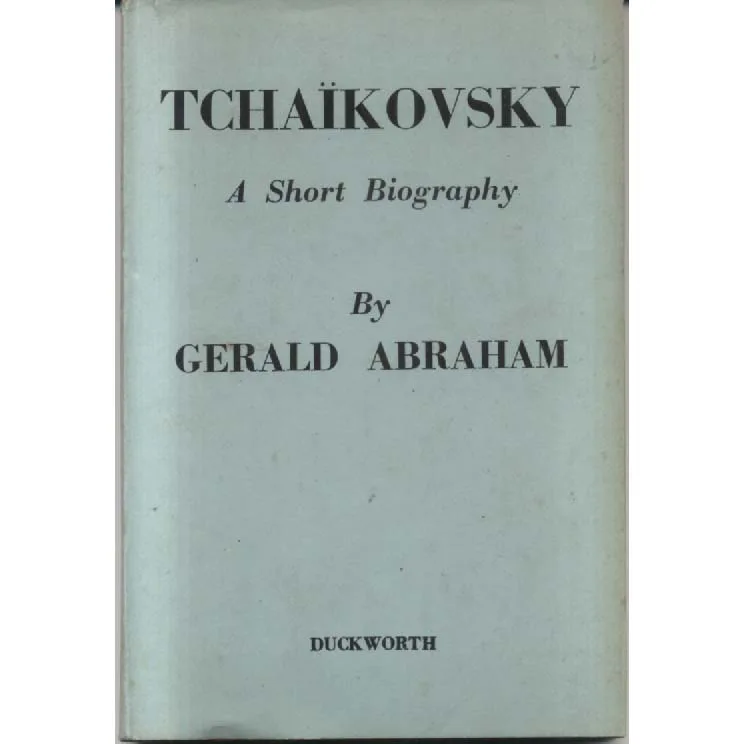
Publisher: Duckworth
Format: Hardback
ISBN: none
Tchaikovsky (1945) by Gerald Abraham, published by Duckworth, is one of those brisk, dignified mid-century biographies that arrives in a sensible coat and then calmly introduces you to a composer who spent much of his life sounding like his heart was being flung dramatically across a ballroom.
It’s “Tchaikovsky” as a title, full stop — because in 1945 you didn’t need a subtitle. Everyone already knew the essentials: swans, cannons, ballets, lush strings, fate knocking loudly at the door, and melodies that can make even the most emotionally repressed person stare at the horizon as if they’ve been wronged by destiny. This book is here to put the man behind the music back into focus: not just the myth of Romantic suffering, but the actual life, work, context, and craft.
Gerald Abraham is an ideal guide. He writes with clarity and authority, and he’s very good at explaining music without turning it into fog. He can talk about style, influences, and cultural setting while still keeping the narrative readable — so you don’t need to be the sort of person who owns a baton and “conducts” the kettle to boil. You just need to be curious about how a person becomes Tchaikovsky.
And the publication date matters. 1945 is a year where Europe is wrecked, exhausted, and trying to reset itself. A British biography of a Russian composer at that exact moment carries a subtle extra resonance: a reminder of shared cultural inheritance even when politics are grim and the world is splintered. Reading it now feels like opening a small window onto a time when books like this were part of rebuilding normal life — the quiet conviction that art, history, and music criticism still mattered.
The irony, of course, is that Tchaikovsky’s music often feels gloriously, unashamedly excessive — while a Duckworth biography tends to be measured, tidy, and sensible. It’s like watching a very calm person describe an emotional thunderstorm. Abraham’s tone may be composed, but the subject is all passion, pressure, and that unique Tchaikovsky intensity where even a waltz can sound like it’s secretly about heartbreak.
Expect a rounded portrait: the training, the career, the patronage, the professional anxieties, the successes, the complicated inner life, and the way the pieces fit into their time. You’ll likely come away with more than “he wrote famous tunes” — you’ll see how he worked, why certain pieces landed as they did, and what the musical world around him demanded.
This copy is in Good condition as sold by Crappy Old Books, perfect for:
-
classical listeners who want context without a lecture
-
collectors of vintage music biographies (especially Duckworth’s tasteful little volumes)
-
readers who like cultural history with real substance
-
anyone who’s ever listened to the Pathétique and thought, “Right… what was going on there?”
Read it and you’ll almost certainly end up putting on Tchaikovsky afterwards, because that’s what happens: you learn a little about the man, and suddenly the music hits differently. The swans become sharper. The symphonies feel more human. The “fate” motif starts sounding less like a gimmick and more like a recurring visitor.
A calm little 1945 book about a composer who never did anything calmly.
Perfect.
Keep browsing: See more Biography books Other books by Gerald Abraham
