


Toulouse-Lautrec And The Fin-de-Siecle
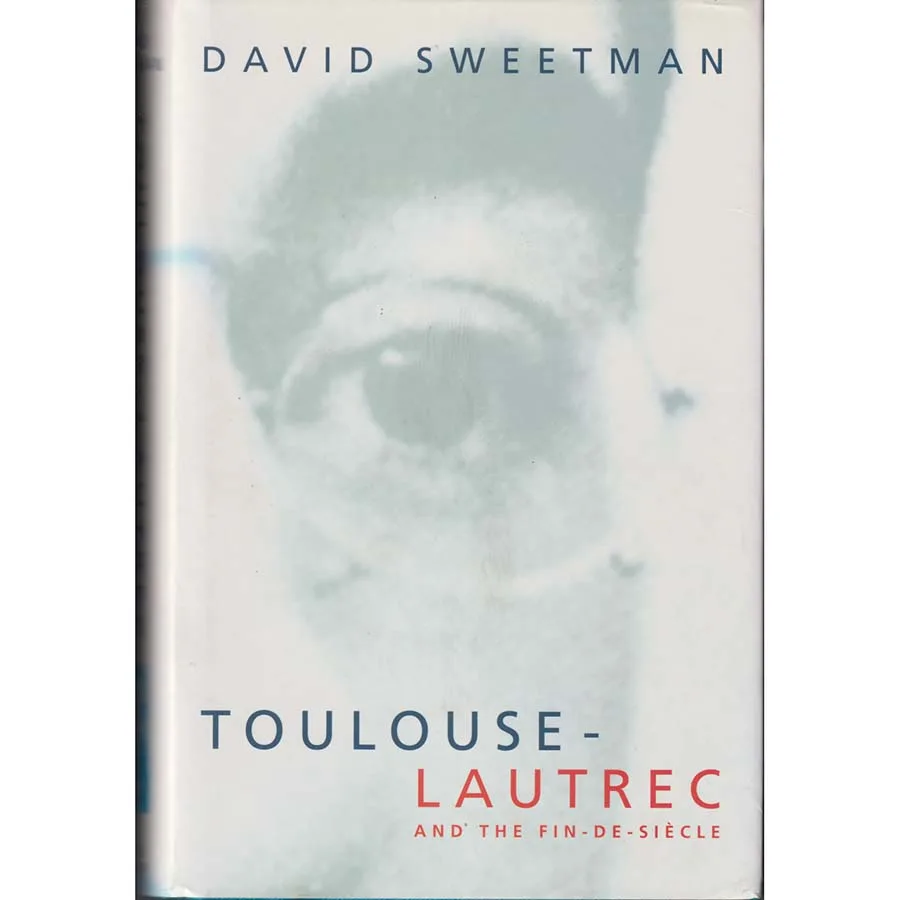
Publisher: Hodder and Stoughton
Format: Hardback
ISBN: 0340607483
Step right up to Toulouse-Lautrec and the Fin-de-Siècle (1999) by David Sweetman — a book that invites you into late-19th-century Paris, where the nights are long, the absinthe is practically a food group, and everyone seems to be either inventing modern art or making decisions they’ll regret before breakfast.
This is not just “an artist biography.” It’s Lautrec as a cultural access pass: cabarets, cafés, studios, brothels, salons, posters, dancers, drinkers, aristocrats slumming it, bohemians styling it out, and the peculiar electricity of a city that feels like it’s racing toward the 20th century with its tie loosened and its eyeliner smudged. Sweetman uses Lautrec — sharp-eyed, fast-moving, and socially omnipresent — as the perfect guide to a moment where glamour and grit sit at the same table and split the bill unevenly.
Lautrec himself is a fascinating contradiction: born into privilege, physically constrained, socially fearless, and artistically ruthless in the best way. He wasn’t painting polite scenes for polite people. He was documenting the real theatre of the era — the performers and the punters, the surface sparkle and the tired eyes behind it. His work is full of movement and immediacy, like the modern world turning up early and refusing to wait. This book leans into that: not only what he made, but what he saw, who he knew, how he lived, and why his posters still feel so contemporary they might as well be fresh off the wall.
And because it’s the fin-de-siècle, you get all the delicious period flavour: decadence and anxiety, art as rebellion, nightlife as identity, modernity as a thrilling threat. Everyone is on the verge of something — new styles, new freedoms, new troubles — and the book captures that sense of a culture both intoxicated and unsettled. It’s a world where “beautiful” is often a little bruised, and where the real drama isn’t on stage, it’s in the room.
Sweetman’s tone is lively and readable — informed without being museum-stuffy — so you can fall into the story without feeling like you’re doing homework. It’s the kind of book that makes you want to look up the posters again, then suddenly you’re down a rabbit hole of Montmartre, the Moulin Rouge, and the invention of the modern celebrity image. (Because yes: Lautrec didn’t just depict nightlife; he helped design how we see it.)
Condition: Good, meaning this copy has lived a bit — handled, read, maybe used as a reference by someone who likes their Paris with a side of scandal. It’s still perfectly ready to do its job: pull you into a world of smoky rooms, bold lines, and people who are simultaneously exhausted and dazzling.
Perfect for:
-
art lovers who want the life around the work, not just the work in isolation,
-
anyone fascinated by Parisian modernity and nightlife culture,
-
readers who enjoy biographies with atmosphere and sharp edges,
-
and people who suspect the 1890s were both stylish and mildly alarming (correct).
Sold by Crappy Old Books, naturally — because where else would a book about Lautrec and the end-of-century glittering chaos end up, if not waiting patiently for its next reader to open it and immediately start hearing distant cabaret music and making questionable aesthetic choices.
Keep browsing: See more Biography books Other books by David Sweetman
