


Computers And The Cybernetic Society
Publisher: Academic Press
Format: Hardback
ISBN: 0120590409
Computers and the Cybernetic Society (1977) – Michael A. Arbib
Academic Press • ISBN: 0120590409 • Condition: Good
Systems-obsessed, philosophically twitchy, from Crappy Old Books
Welcome to 1977, when:
-
“The Computer” still had capital letters
-
“Cybernetic” sounded thrilling and slightly sinister
-
And the idea that machines and humans might merge into one giant feedback loop was a theoretical concern, not just “a normal Tuesday online”
Computers and the Cybernetic Society is Michael A. Arbib’s earnest attempt to answer the big questions:
-
What happens when you treat brains, bureaucracies, computers, and societies as systems?
-
Who’s controlling what?
-
And how worried should we be about the machines… versus the people who build and use them?
Spoiler: you’ll come out less scared of the machines, and considerably more suspicious of systems diagrams.
Condition: Good (like your nervous system on a day off)
When Crappy Old Books says Good, we mean:
-
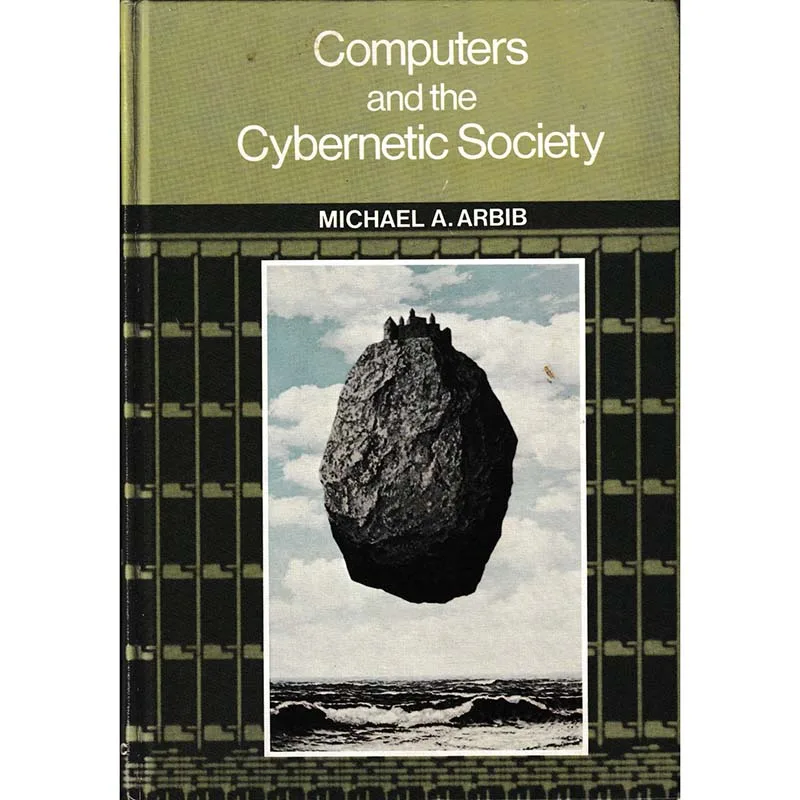
The cover is intact and academically serious – probably featuring geometry, lines, or abstract “systems” art that screams I WAS PUBLISHED BY AN ACADEMIC PRESS IN THE 70s.
-
The spine is sound, maybe with one or two dignified creases from previous attempts to “finally read it properly this time.”
-
All pages present and firmly bound – no missing chapter on “social control,” no mysteriously vanishing conclusion, no helpful pages eaten by feedback.
-
Normal, respectable age-wear: lightly toned pages, slightly softened corners, and just enough shelf-rub to prove it’s lived a life, but not a tragic one.
No fluorescent highlighter crimes, no biro rants in the margins saying “THIS IS HOW SKYNET STARTS,” no tea rings over key diagrams. Just a clean, Good, ready-to-think copy.
What’s going on inside this slightly worried brain-in-a-book?
Arbib does not give you a “how to use your computer” guide.
Instead, he gives you:
-
Cybernetics 101 for thoughtful humans
-
Feedback, control, information, and all the ways they show up in machines, animals, organisations, and societies.
-
Block diagrams galore: arrows, boxes, loops, the whole “your life is a system” treatment.
-
-
Computers as components in larger systems
-
How we design machines to sense, act, and “decide.”
-
How those machines slot into social structures that are already a mess before you add electronics.
-
-
The cybernetic society
-
Governments, corporations, institutions – all framed as information-processing entities.
-
Questions like:
“If we build systems that monitor and optimise everything, what happens to freedom, responsibility, and the right to say ‘no’ to the spreadsheet?”
-
-
Brains and machines, humans and automation
-
What’s similar, what’s different, and why “the computer is a brain” is a terrible metaphor and yet somehow still haunting everything.
-
The tone is very much:
“Let’s all calm down and think clearly before we hand the control room to something just because it beeps.”
The vibe: half scientist, half philosopher, half social critic
(Yes, that’s three halves. It’s cybernetics, don’t worry about it.)
You’re in that lovely 1970s sweet spot where:
-
People still believe in rational analysis
-
They also know humans are chaos
-
And they’re trying to design systems that deal with both without collapsing
Arbib:
-
Explains things clearly.
-
Draws lots of diagrams.
-
And asks awkward questions about power, control, and who gets to decide what the system is for.
It’s the sort of book that makes you think:
-
“Oh, so this is the ancestor of every ‘smart city’ PowerPoint I’ve ever hated.”
-
“…and also the warning label those presentations never read.”
Why this is strangely fun to read now
From the vantage point of:
-
Social media
-
Surveillance capitalism
-
Recommendation algorithms that know your taste in biscuits
…this 1977 text feels both adorably earnest and uncomfortably accurate.
You will:
-
Laugh at the old tech examples
-
Nod vigorously at the bits about information overload and centralised control
-
Feel slightly attacked by the whole “people deferring to machines because they seem objective” discussion
It’s like watching someone in 1977 carefully map out the beginnings of the world you now live in, with diagrams instead of memes.
As sold by Crappy Old Books: a working mind-tool, not a relic
Your Good condition copy from Crappy Old Books is:
-
Solid enough to read, annotate, and leave open on a desk while you pace and mutter about systems.
-
Worn just enough to show that someone else once wrestled with it, but not so battered you feel like you’re exhuming it.
-
Perfect for shelf-flexing: nothing says “I think about things too much” like owning a 1977 book called Computers and the Cybernetic Society.
It’s not a museum piece. It’s a thinking object you’re allowed to actually use.
Ideal for readers who:
-
Like cybernetics, systems theory, and the whole weird crossover between computers, control, and society
-
Are into vintage computing/AI/social theory and want to see what the field sounded like before smartphones and doomscrolling
-
Are writing sci-fi, speculative essays, or dystopian settings and want authentic 1970s “what if the machines run everything?” thought
-
Enjoy books that combine diagrams, philosophy, and mild existential dread
Also excellent for:
-
Academics nostalgic for the era of serious paperbacks and no publisher-branded “companion websites”
-
Tech-sceptics who want arguments with actual depth behind their grumbling
-
People who suspect that the real problem has never been the computer – it’s the systems we build around it
The bare-system facts
-
Title: Computers and the Cybernetic Society
-
Author: Michael A. Arbib
-
Publisher: Academic Press (1977)
-
ISBN: 0120590409
-
Condition: Good – structurally sound, lightly worn, intellectually loaded
Computers and the Cybernetic Society: for when you’re ready to stop asking “what can computers do?” and start asking “what happens to us when we wire everything together?” Supplied in honestly Good condition by Crappy Old Books, long-time observers of systems, feedback loops, and the questionable wisdom of putting humans in charge of either.
Keep browsing: See more IT books Other books by Michael A Arbib
