


The Story Of The Bahamas
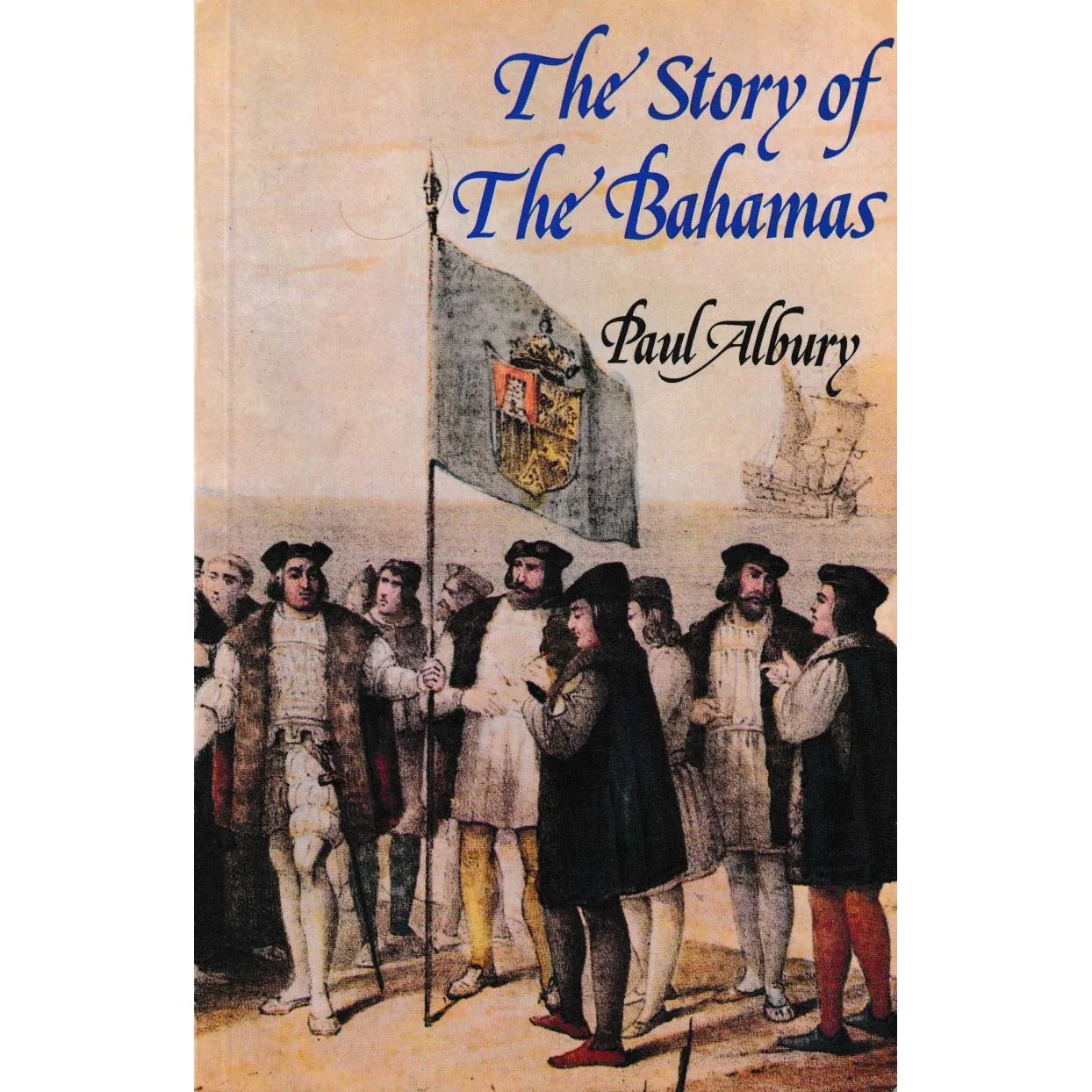
Publisher: Macmillan Caribbean
Format: Paperback
ISBN: none
The Story of the Bahamas (1975) – Paul Albury
Macmillan Caribbean • ISBN: none (clearly doesn’t need one) • Condition: Good
Sun-drenched, colonially complicated, from Crappy Old Books
So you think you know the Bahamas.
White sand. Turquoise water. Cruise ships the size of small nations. A daiquiri with an umbrella in it.
Paul Albury is here to gently tap you on the shoulder and say:
“Yes, the beaches are lovely. But also: pirates, plantations, slavery, rebellions, governors, Cold War intrigue, and more flag changes than you can shake a palm tree at.”
The Story of the Bahamas (1975) is your ticket to the bit behind the postcards – a brisk, readable history of an island chain that has been many things to many people: waystation, colony, sugar-and-cotton enterprise, refuge, smuggling hub, tax haven, and finally, an independent nation learning to tell its own story.
Condition: Good (like a well-handled passport)
When Crappy Old Books says Good, we mean:
-
The cover is intact and presentable, not sun-faded into oblivion like a beach towel left out too long.
-
The spine is solid, perhaps with a dignified crease or two – evidence that someone actually read it instead of just waving it around while saying “I’m very interested in Caribbean history, actually.”
-
All pages present and firmly bound – no missing chapters on pirates, Loyalists, emancipation, or independence.
-
Modest, honest wear: slightly softened corners, a hint of shelf rub, maybe the ghost of a thumbprint from someone who hit the good bit about wreckers and never looked back.
No water damage (despite all the sea), no sand embedded between the pages, and no mysterious cocktail stains. Just a straightforward Good condition history book with its dignity intact.
What’s actually in the story?
Albury walks you through several centuries of:
-
Indigenous people already living there before anyone “discovered” anything
-
Columbus showing up and beginning a long tradition of Europeans making dramatic entrances and poor decisions
-
Colonial tug-of-war, featuring Spain, Britain, and opportunistic neighbours
-
Pirates and privateers treating the region as their personal workplace-slash-retirement plan
-
Slavery, plantations, and the long, ugly economic underbelly that tourist brochures politely omit
-
The arrival of Loyalists after the American Revolution (because why not add more complications)
-
Emancipation, social change, and the slow shift from colony to something more self-determined
-
The march toward independence in 1973, which for this 1975 book is still fresh enough to feel like recent news
The tone is very much:
“Let’s walk through how we got from ‘strategic stopover for empires and opportunists’ to ‘modern Bahamian state,’ shall we?”
You get dates and names, yes, but also atmosphere: storms, ships, trade, migration, conflicts, compromises, and the awkward reality that paradise has always had a fairly complicated backstory.
Why this is fun and unsettling
Reading this while thinking of cruise ships and resorts is… educational.
It’s:
-
A corrective to the idea that the Bahamas has always existed purely to supply your holiday snaps
-
A reminder that behind every laid-back iconography of palm trees is a history of labour, resistance, and negotiation
-
A compact but rich overview for anyone who wants more than “it used to be British and then it wasn’t”
It won’t lecture you like a doorstop academic tome, but it will quietly insist that you notice:
-
Who had power,
-
Who didn’t,
-
Who made the money,
-
And who paid the real price.
Why a Good used copy is just right
A brand-new, untouched copy of a 1975 Caribbean history would feel suspicious – like a souvenir no one actually opened.
From Crappy Old Books, this Good copy:
-
Already looks like it has enlightened at least one previous owner who thought “pirates and beaches” was the whole story
-
Frees you from the burden of keeping it perfect – read it on the sofa, in the garden, on a train, or even on an actual beach (carefully)
-
Comes with just enough patina to feel period-appropriate: a 1970s book talking about independence as a recent, thrilling development
It’s not a delicate relic. It’s a sturdy little narrative of a country working out who it is.
Ideal for readers who:
-
Are tired of travel guides pretending history started with the first hotel
-
Have a thing for colonial and post-colonial history, but prefer it readable rather than footnote-infested
-
Want to understand the Bahamas as more than “tax haven with nice weather”
-
Are writing fiction, research papers, or extremely informed holiday smugness
Also great for:
-
Teachers and students looking for an entry-level but thoughtful overview
-
People who collect regional history from Macmillan Caribbean
-
Anyone whose idea of a good time is a nation’s story told from the inside out, not the outside in
The bare facts (no turquoise filter)
-
Title: The Story of the Bahamas
-
Author: Paul Albury
-
Publisher: Macmillan Caribbean (1975)
-
ISBN: None – island history, happily pre-ISBN
-
Condition: Good – gently used, structurally sound, historically rich
The Story of the Bahamas: for when you’re ready to trade the tourist brochure for the real narrative – still sunny in places, but with rather more shipwrecks, struggles, and actual people. Supplied in honestly Good condition by Crappy Old Books, who firmly believe even paradise deserves a proper footnote.
Keep browsing: See more History books Other books by Paul Albury
