


Boxkite - A Journal Of Poetry And Poetics
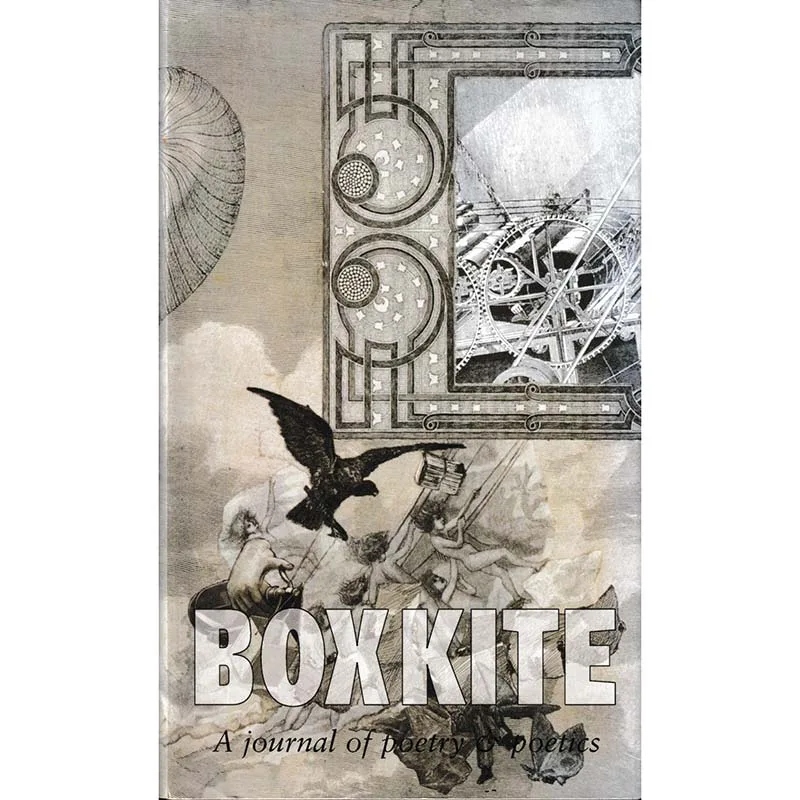
Publisher: The Poetics Foundation Inc
Format: Paperback
ISBN: none
Boxkite – A Journal of Poetry and Poetics (1997)
Edited by James Taylor (no, not that one… probably)
Published by The Poetics Foundation Inc
ISBN: defiantly none
Condition: Good (structurally sound; philosophically complicated)
Released into the wild by: Crappy Old Books
Welcome to Boxkite, the literary journal that sounds like an experimental aircraft and reads like an experimental seminar. Published in 1997, it hails from that truly magical era when poets still sent things by post, had passionate arguments about line breaks, and thought “poetics” was something you could absolutely discuss for 38 pages without once saying “content strategy.”
This is a journal of poetry and poetics, which is code for:
-
Poems that are not here to make you feel comfortable.
-
Essays about poems that are not here to make you feel comfortable either.
-
The occasional piece that starts as criticism, turns into philosophy, and ends as a kind of weather report for language.
Think of it as a snapshot of the poetry world just before the internet finished eating everyone’s attention span: thoughtful, intense, slightly over-caffeinated, and absolutely convinced that what happens in the space between two words really matters.
What’s inside?
Contents will vary depending on the specific issue (this is a journal, not a supermarket paperback), but expect a lovingly chaotic mixture of things like:
-
Poems that refuse to sit still: experimental, lyrical, fragmented, maybe all three in one stanza.
-
Essays and manifestos on poetics – you know, the serious business of how and why poems work, misbehave, or explode quietly in your brain.
-
Possibly interviews, reviews, or craft pieces, written by people who treat enjambment with the same solemnity other people reserve for constitutional law.
-
References to poets you’ve heard of, poets you vaguely think you should have heard of, and poets you will now pretend you always knew about.
Reading Boxkite feels a bit like turning up to an advanced poetry reading group you weren’t officially invited to, being allowed to stay anyway, and slowly realising everyone around you has Very Serious Opinions about the line break as moral event.
About this particular copy
Condition is listed as Good, which in the noble, cryptic language of second-hand books means:
-
The cover is intact and doing its job: it protects the pages and quietly whispers “small-press seriousness” from your bookshelf. Expect light handling wear – maybe a bit of rubbing, a faint crease, or a soft corner – nothing horrendous, just evidence that it has already survived one or two poets.
-
The interior pages are all present, legible, and free from catastrophic coffee incidents. You might find a gentle hint of ageing – some toning, perhaps – but nothing that compromises the text.
-
No major tears, no missing sections, no avant-garde hole-punching.
If there are any markings, they’re likely to be the sorts of things that only make it more poetic: a pencilled underline here, a hesitant exclamation mark in the margin there. You may even spot the occasional “?” from a previous reader who fought the poem and lost.
In short: it looks like what it is – a properly used journal, not a museum-grade artefact. Exactly how things should be in the poetry world.
ISBN: Gloriously, unapologetically none
Because this is a small-press poetry journal from the 1990s, there is, of course, no ISBN. This means:
-
Your catalogue app can’t scan it. You will have to admit you own a thing that exists outside barcodes and databases.
-
It occupies that pleasing grey zone where it’s both “rare-ish” and “almost impossible to search for meaningfully.”
-
You get to say things like, “Oh, Boxkite? No, you won’t find it on Amazon,” and feel quietly superior.
Why you might want this (and yes, you probably do)
-
For the poet: You write, or mean to write, or feel guilty for not writing. You want to see what serious, small-press poets were arguing about in 1997. Spoiler: some of those arguments are still going.
-
For the poetry nerd: You enjoy discussions of poetics that treat line breaks, syntax, and silence as if they were items on a delicate explosives checklist.
-
For the teacher/academic/masochist: Perfect as a snapshot of late-20th-century poetry culture, before everything became “content” and analytics.
-
For the shelf aesthete: Small-press journals immediately raise the intellectual tone of any bookcase. One Boxkite = two and a half ordinary paperbacks in implied cleverness.
About Crappy Old Books
At Crappy Old Books, we take particular pleasure in rescuing things like Boxkite: journals that once lived in the backpacks and offices of poets, editors, and the sort of people who argue gently but firmly about whether a stanza break is “earned.”
We grade honestly: Good means it has clearly lived a life but still has all its pages, all its ideas, and all its structural integrity. It’s here to be read, not encased.
So if you’d like a small, slightly under-the-radar slice of 1997 poetry-world seriousness – complete with earnest poetics, adventurous verse, and zero ISBN – this Good copy of Boxkite – A Journal of Poetry and Poetics is ready for its next mildly obsessed owner.
Warning: may cause sudden urges to write poems about nothing happening in extremely specific ways.
Keep browsing: See more Poetry books Other books by James Taylor
