


London Transport Bus Garages Since 1945
Publisher: Ian Allan
Format: Hardback
ISBN: 9780711018020
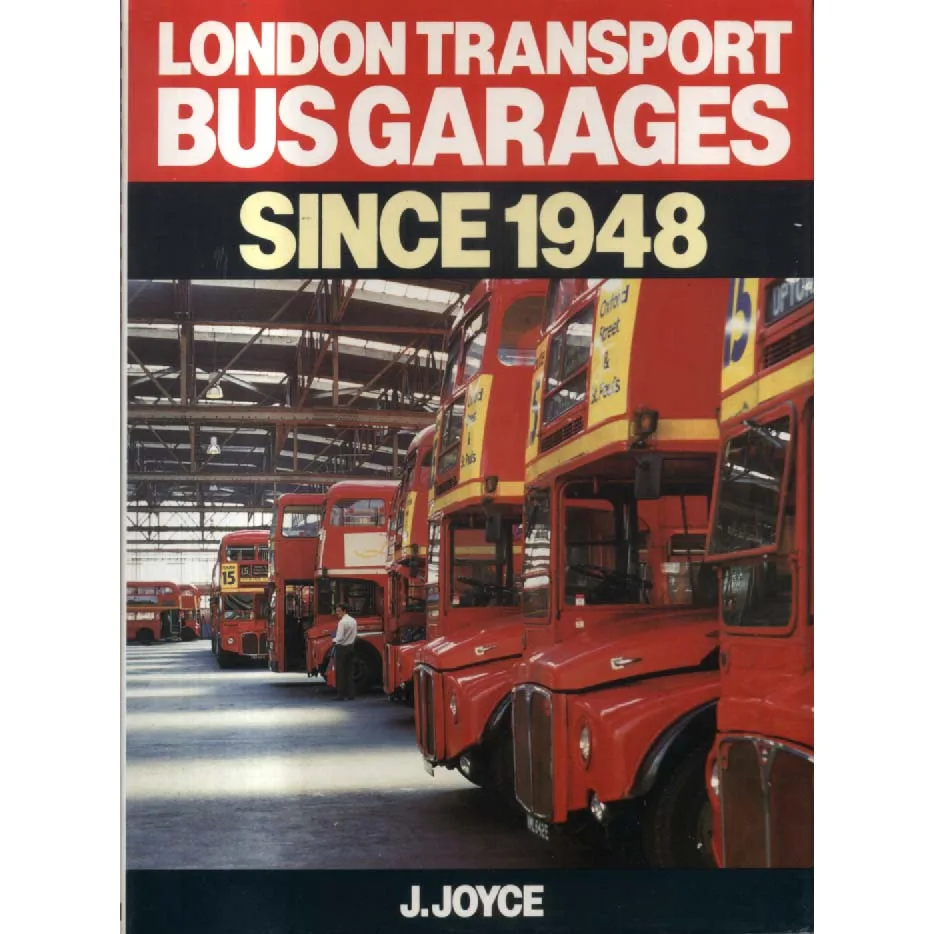
London Transport Bus Garages Since 1945 (1988) — J. Joyce
Ian Allan • ISBN: 9780711018020 • Condition: Good • Offered by Crappy Old Books
At last: a love letter to the big sheds where London’s buses sleep, sulk, and get their oil changed. J. Joyce’s London Transport Bus Garages Since 1945 is the field guide you didn’t know you needed—unless you’ve ever whispered “Stockwell” like a prayer or identified “S,” “SW,” and “W” as more than just letters but minor deities in the pantheon of depot codes.
Published in 1988, this is a tour of the city’s post-war sanctuaries of steel and timetables—the barns of bureaucracy where Routemasters lined up like red-coated guardsmen and RFs tried not to drip on the inspectors’ shoes. Here, arches become cathedrals, saw-tooth roofs admit the judgmental light of a London morning, and inspection pits get the reverence usually reserved for archaeological digs. If you’ve ever admired Hackney (CT) for its quiet heroism or admired the cavernous bravado of Stockwell, this book is your backstage pass to the greatest long-running ensemble performance in transport history.
Joyce writes like a patient stationmaster explaining the rules of cricket: calmly, with sly amusement, and an eye for the eccentric. Wartime improvisations, post-war rebuilds, closures that made enthusiasts sigh into their ticket punchers—he’s got them all. Expect crisp photos of architectural oddities, depot forecourts that deserve preservation orders, and the sort of caption that casually reveals why a particular wash bay changed in 1957 (and why that was absolutely everything). You’ll learn which garages wore their concrete like a uniform, which ones flirted with brickwork, and how London managed to make “bus maintenance” sound like a lifestyle choice.
“Condition: Good,” you ask? Quite. That means this copy has been read by someone with cleanish hands and proper respect for margin integrity. The spine is confident, the pages are obedient, and any edgewear looks like an honest day’s work rather than a bar fight. There may be a faint eau de archive: diesel daydreams layered over filing-cabinet cologne—the authentic fragrance of transport history. In short, you’ll turn pages without feeling you’re committing a crime.
Inside, the years parade by: the tidy retreat of trolleybus wires, the glory-days choreography of Routemasters coming and going with a conductor’s bell and a shrug; the slow, dignified arrival of modernity with its fluorescent lighting and its “please do not” signage. It’s less about buses than about the city that needed them—how London tucked its mechanical heartbeats into hidden courtyards and monumental hangars, then kept the whole rumbling ballet on the road, day after day, rain after rain. There are route boards, allocation tables, and architectural quirks that make you wonder if someone slipped Art Deco into the tea.
And because this comes to you from Crappy Old Books, we’ve done the sensible thing: no re-laminating, no over-eager ‘book spa’ treatment, no inspirational quotes inserted as bookmarks. We simply found a Good copy, smiled at its quiet competence, and decided it deserved another turn around the block. Think of it as a preserved RM—no chrome overkill, just original parts, lovingly roadworthy.
File it under: industrial romance, urban archaeology, things you notice when the bus is late. Read it on a Sunday, then go for a walk and glimpse a depot wall and mutter, “Ah yes, post-war truss work,” as if you’ve always been this person. Because after Joyce, you sort of are.
Buy it, park it on your shelf, and let it honk gently at your better instincts: mind the gap, mind the details, and please alight via the rear platform of memory.
Keep browsing: See more Transport books Other books by J Joyce
