


Titan
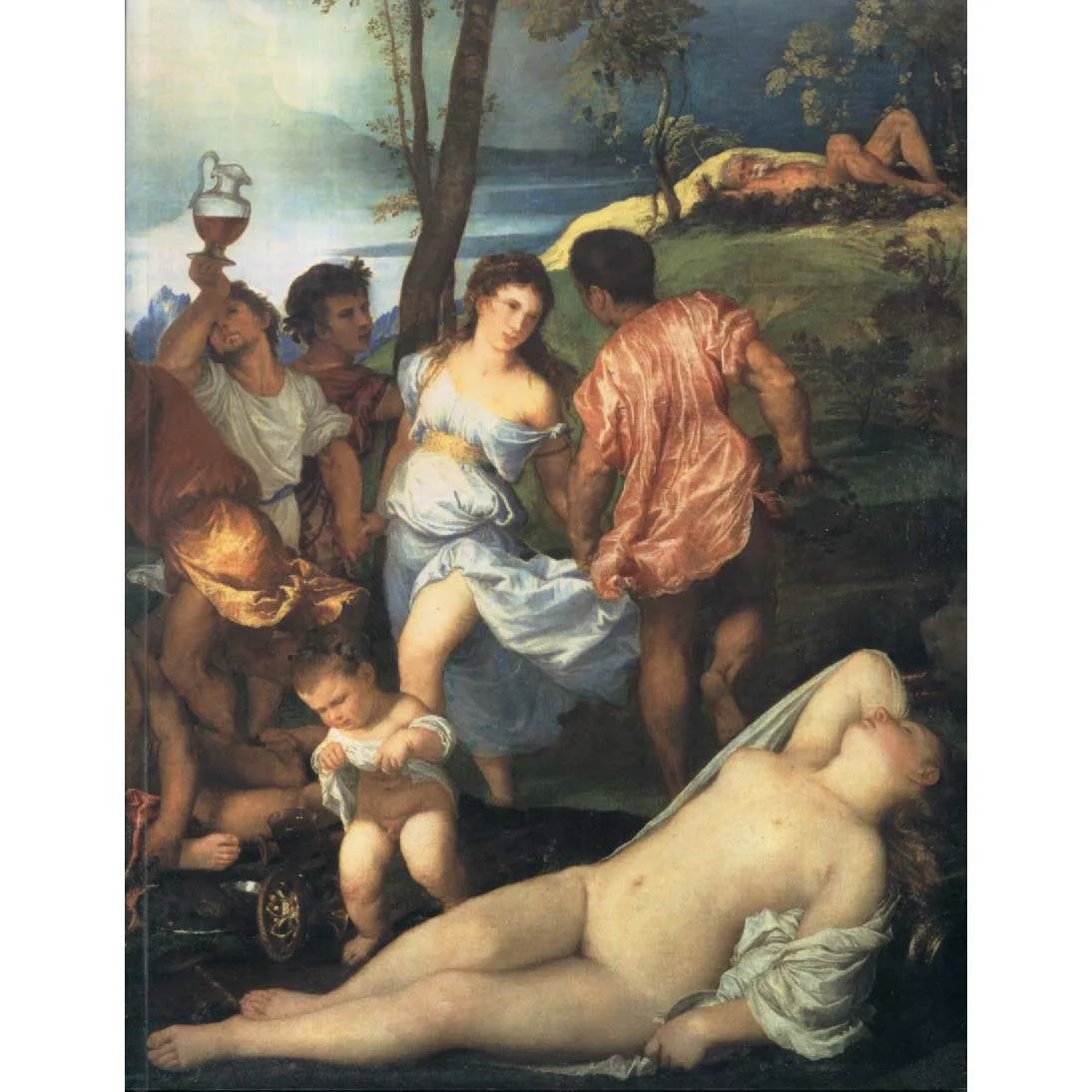
Publisher: The National Gallery
Format: Paperback
ISBN: 1857099036
In a world where art is merely a backdrop for coffee dates and Instagram selfies, “Titan” emerges as a rare artifact from the hallowed halls of The National Gallery, beckoning the brave souls who dare to transcend the mundane. This 2003 masterpiece might just be the very thing you didn’t realize you were searching for in the dusty corners of your bookshelf. With an ISBN number that reads like the secret code to an elite society of art aficionados, this tome is more than just a book; it’s your ticket to an elite club of those who can say, "Yes, I’ve read a book on a titan of the art world."
Imagine, if you will, the sheer audacity of a gallery publishing its own volume, filled to the brim with insights and visuals of a painter who would probably have found the modern world rather perplexing. This is not just a book; it’s a bold proclamation that art is still relevant, even when accompanied by the faint scent of used paper and a hint of existential dread. “Titan” dares to ask the question: can we truly appreciate art without a level of affectionate snobbery? Spoiler alert: the answer is likely no, but it’s a delightful exploration nonetheless.
Expect a plethora of lavish reproductions that may invoke an involuntary gasp—if you’re the type who enjoys pretending you know the difference between Baroque and Rococo, this book will serve as your trusty guide. The author, The National Gallery itself, presents a collection that could easily confuse the uninitiated with the complexities of chiaroscuro and the subtleties of pigment. The book is essentially a love letter to a titan of the art world, although arguably penned with the enthusiasm of an intern who just discovered the photocopier was also a scanner.
Within its well-worn pages, you will find discussions of brush strokes so detailed they could easily qualify for a competitive sport, and color theories that would make even the most seasoned art critic take a contemplative pause. It’s the kind of content that makes you feel smarter just by having it on your coffee table, even if you can’t quite remember how to pronounce “Sistine.”
But let’s not forget the real charm of second-hand books: the delightful quirks found within. You might stumble upon a forgotten shopping list tucked between two pages. Is it a reminder to buy milk, or a commentary on the futility of life? You decide! Or perhaps a previous owner left behind a doodle of what appears to be a cat in a top hat, pondering the very essence of existence. These accidental discoveries are what elevate "Titan" from a simple art book to an odyssey of sorts, an exploration of humanity’s collective history—albeit from the comfort of your living room.
Condition: You will find this particular copy is used, which is frankly a euphemism for “well-loved.” The cover exhibits a few scuffs and the spine creaks like an old ship, but isn’t that just the mark of a book that has lived? Pages might have occasional notes scrawled in the margins by a past reader who was either a philosopher or an overzealous art student. Either way, those annotations serve as a reminder that art is subjective, and so too is the perception of this book’s condition.
- Lavishly illustrated with images that might just inspire you to take up painting—albeit poorly.
- Authoritative insights that will impress anyone who mistakenly believes you’re an art critic.
- Includes random musings from past readers that may or may not enhance your experience.
- Perfect for confusing your friends and family when they ask what you’ve been reading.
- A conversation starter for awkward dinner parties, or a great excuse to avoid them altogether.
So, if you’re in the market for a book that offers more than just the mundane reality of modern living, “Titan” might just be your ideal companion. Whether you choose to display it prominently on your shelf or consult it during moments of existential crisis, it’s a splendid acquisition from Crappy Old Books, where every title has its own unique story—just like the people who used to own them.
Keep browsing: See more Art books Other books by The National Gallery
