


1890
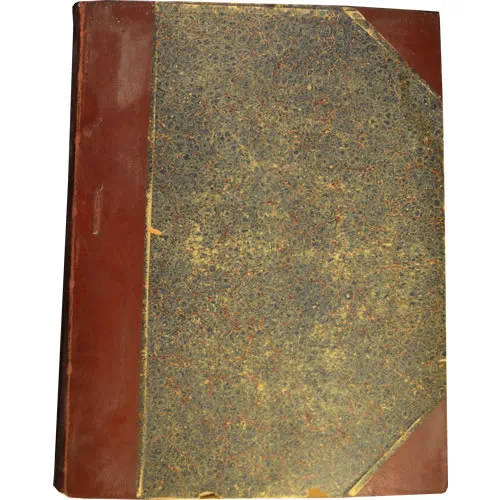
Publisher: Times Newspapers
Format: Hardback
ISBN: none
Good condition set of four.
Events 1890
4 January — First edition of the Daily Graphic, the first British ’picture paper’.
11 January — The British government delivers an ultimatum to Portugal forcing the retreat of Portuguese military forces from land between Portuguese colonies of Mozambique and Angola.
6 February — An underground explosion at Llanerch Colliery, Abersychan in Monmouthshire kills 176.
15 February — Kent Coalfield located.
4 March — The longest bridge in Britain, the Forth Bridge (1,710 ft) in Scotland, is opened.
27 March — Preston North End finish the second season of the Football League as title winners once again.
29 March — Blackburn Rovers win their fourth FA Cup with a 6-1 victory over Sheffield Wednesday in the final at Kennington Oval, London.
12 May — The first official County Championship cricket match begins in Bristol. Yorkshire beat Gloucestershire by eight wickets.
15 May — New elected county councils in Scotland, created by the Local Government (Scotland) Act 1889, take up their powers. The County of Edinburgh formally adopts the title Midlothian; the formerly administratively separate counties of Ross and Cromarty are merged; and the Shetland county council formally adopts the spelling Zetland.
28 June — The Baseball Ground is opened in Derby to serve one of eight teams competing in a new national baseball league.
1 July — Heligoland-Zanzibar Treaty between the United Kingdom and Germany; Britain cedes Heligoland to Germany in return for Pemba and Zanzibar.
21 July — Battersea Bridge over the River Thames opens in London.
8 September — The future Edward VII becomes involved in the Royal Baccarat Scandal.
September — Southampton Dock Strike.
22 October — Colony of Western Australia granted self-governing status.
November — Scotland Yard, headquarters of the Metropolitan Police Service, moves to a building on London’s Victoria Embankment, as New Scotland Yard.
4 November — London’s City & South London Railway, the first deep-level underground railway in the world, opens. It runs a distance of 5.1 km (3.2 mi) between the City of London and Stockwell.
17 November — Captain Willy O’Shea divorces his wife, Kitty, for adultery; Charles Stewart Parnell, leader of the Irish Parliamentary Party, is named as co-respondent.
21 November — Edward King, Anglican bishop of Lincoln, is convicted of using ritualistic practices.
18 December — British East Africa Company takes control of Uganda.
Keep browsing: See more Times Newspapers books Other books by Times Newspapers
