


Luther
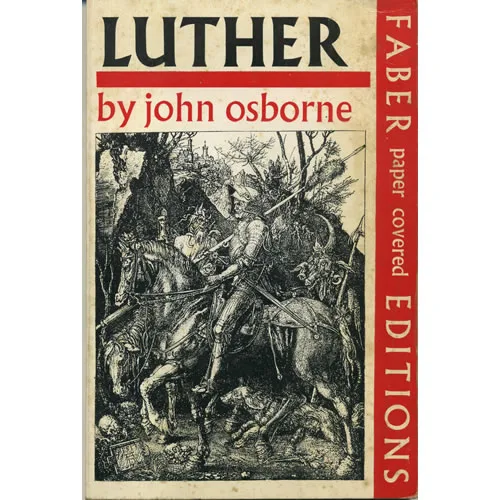
Publisher: Faber & Faber
ISBN: none
In a world where every literary creation seems to be a shiny, new gadget designed to lure you into a whirlpool of plot twists and emotional turmoil, John Osborne’s 1961 masterwork, "Luther," appears like a slightly rusted bicycle in a sea of gleaming sports cars. Published by Faber & Faber, this tome invites you to cycle through the turbulent inner landscape of its titular character, Martin Luther—no, not the civil rights hero, but rather the chap who dared to nail some rather serious complaints to a church door, thus causing a bit of a kerfuffle in his day.
This book, gracefully teetering on the edge of drama and historical inquiry, has all the makings of a rather stirring stroll through the complexities of faith and rebellion. Picture yourself seated in a dusty old library, surrounded by the scent of ancient books and a slightly suspicious cat eyeing your every move. You might just find yourself nodding along as Osborne navigates the choppy waters of religious dissent, existential angst, and the occasional existential crisis, all while giving a subtle wink to the absurdities of human nature.
If you’re pondering what to expect, allow your imagination to run wild with the possibilities. Is it a scholarly treatise? A theatrical script? A recipe for ecclesiastical soufflé? The truth is, Osborne’s "Luther" is what happens when you mix a bit of historical drama with a generous dose of British wit, creating a concoction that’s as unconventional as it is thought-provoking. You’ll likely find yourself laughing inappropriately during moments that demand solemnity and scratching your head at the philosophical dilemmas that unfurl like a particularly complex origami project.
As the pages turn, you might encounter a delightful collection of eccentricities, including:
- Philosophical musings that could make a statue weep.
- A cast of characters who seem to have wandered in from a different, less serious play.
- Plausibly anachronistic discussions about whether Luther would have preferred tea or coffee.
- Subtle jabs at the bureaucracy of both the church and, dare we say, life itself.
- Occasional moments where you might wonder if Osborne himself was having a laugh with the reader (spoiler: he probably was).
Now, let’s not skirt around the elephant in the room: the book is used. But wait! Don’t flee yet! Condition: This particular edition may boast a few creases, dog-eared pages, and possibly the faint scent of someone’s lunch from a decade ago. It has clearly been loved, or at least, fondled in a vaguely affectionate manner. The spine may not be as stiff as it once was, but like Martin Luther himself, it has weathered the storms of time with admirable resilience.
So why should you bring "Luther" into your collection? Because amid the glossy covers and vapid bestsellers, this book stands as a quirky antidote, a delightful reminder that literature doesn’t always need to sparkle to be of value. In the grand theatre of life, it may not always take center stage, but it certainly has a supporting role that’s worth investigating. Plus, it’s sold by Crappy Old Books, a purveyor of literary relics, which means you’re not just buying a book; you’re investing in history, eccentricity, and a slightly off-kilter adventure.
Embrace the randomness of existence, and let "Luther" be your companion as you ponder the great questions of life, the universe, and the occasional cup of tea. After all, who says history can’t be a bit of a romp? Grab it, dust it off, and prepare to lose yourself in the absurdity of the human condition. Just remember to keep a handkerchief handy; you never know when you’ll need to dab your eyes or wipe away a few crumbs from that lunchtime sandwich.
There are 2 copies of this. This is copy 1.
Keep browsing: See more Academic books Other books by John Osborne
