


Ende Eines Gommers
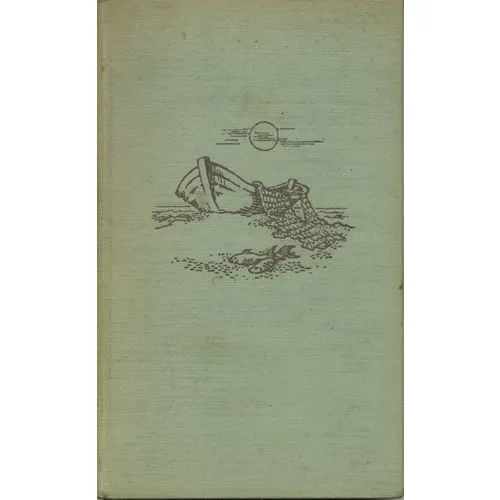
Publisher: unknown
ISBN: none
In the shadowy recesses of 1936, where the scent of stale cigarettes mingled with the whispers of impending war, Ruth Kriftekat churned out “Ende Eines Gommers,” a title that tantalizingly dances on the edge of absurdity and profundity. It’s a literary potpourri that defies categorization, much like the fashion choices of its period—a slightly frayed bowler hat paired with a flamboyant cravat.
This enigmatic tome invites readers into what can only be described as a kaleidoscopic journey through the whims of a society on the brink. Imagine blending surrealism with a hint of slapstick comedy, all while seated at a rickety café table where the waiter has long since given up on taking your order. The author, whose name sounds suspiciously like a character from an adventure novel, seems to have had a penchant for creating a narrative that feels as though it was born from an over-caffeinated brainstorming session involving a typewriter and an abundance of existential dread.
Expect the unexpected as you navigate the pages of “Ende Eines Gommers.” One moment, you might find yourself knee-deep in metaphysical musings about the nature of existence, while the next brings you face-to-face with a parade of rubber ducky philosophers debating the merits of floating versus sinking. Yes, the absurdity is delightfully palpable, and the pages crackle with the energy of an era that was just beginning to unravel.
The book’s structure (or delightful lack thereof) mimics a 1930s dance—sometimes a waltz, other times a chaotic jitterbug, as Kriftekat leads you not so much through a conventional plot as through a disjointed series of vignettes that leave you both bemused and intrigued. It’s as if the author took a risk on surrealism, tossed in a dash of social commentary, and concluded that coherence was overrated.
You may find yourself pondering the deeper implications of the titular “Gommers,” which might just be a metaphorical fish out of water—or a simple rubber chicken left in the sun too long. The ambiguity is as thick as the fog that blankets London on a dreary Tuesday, inviting you to speculate wildly about what it all means. Perhaps the Gommers represent society’s collective unconscious, or perhaps they are simply an excuse for Kriftekat to indulge her whimsical imagination.
Condition: Used, with all the character that only a book of this vintage can possess. Expect dog-eared pages, a rogue coffee stain on chapter four that gives the impression of a deep philosophical discussion gone awry, and the faint scent of nostalgia that clings to the edges like the lingering notes of an old jazz tune. There’s a certain charm in its wear; it’s a testament to the journeys it has undertaken, and the many hands it has slipped through like a mischievous little secret.
As you delve into this peculiar piece of literary history, consider it a time capsule from a world that danced on the precipice of change—where every turn of phrase could ignite a revolution or simply leave you scratching your head in bewilderment. And just when you think you’ve grasped the meaning behind it all, Kriftekat throws in a last-minute twist that leaves you muttering, “Well, that was unexpected.”
So, if you’re in the market for something that is at once baffling and oddly reflective of the complexities of the human experience, "Ende Eines Gommers" may just be the quirky companion you didn’t know you needed. Adorn your bookshelf with this delightful oddity, courtesy of Crappy Old Books, and prepare to inspire countless conversations—or at least a few raised eyebrows at your next literary gathering. Who knows? You might even stumble upon the meaning of life nestled between the lines, or at the very least, a satisfactory chuckle at the absurdity of it all.
Keep browsing: See more German books Other books by Ruth Kriftekat
