


The Rose And The Yew Tree
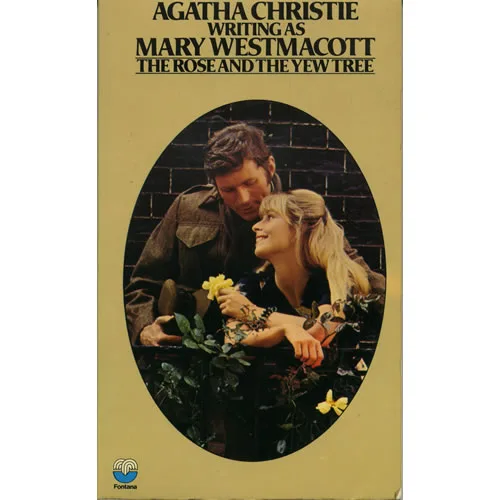
Publisher: Fontana
Format: Paperback
ISBN: none
In a world where the roses bloom with an alarming vibrancy, and the yew trees loom mysteriously over quiet graveyards, Agatha Christie’s “The Rose And the Yew Tree” blossoms like a rather peculiar flower in the garden of literary delights. Published in 1974 by Fontana, this delightful tome invites readers to explore themes of love, loss, and the peculiar ways in which flora can symbolize the intricacies of human relationships—if you squint just right and tilt your head to the left.
Imagine if the English countryside were a character in an eccentric play, complete with a bemused butler and a sprinkle of dramatic irony. That’s precisely the atmosphere Christie conjures, wrapping her plot in layers of suspense and intrigue, much like a tightly bound bouquet of flowers, complete with a few thorns for good measure. One can’t help but ponder whether the yew tree represents the unyielding weight of fate or simply a rather stubborn old fellow who refuses to budge, leaving readers to ruminate on the nature of existence while sipping tea and half-heartedly discussing the weather.
As you venture into the pages of this second-hand treasure, you may notice that the characters are as intricate as the rose’s petals, intertwined in ways that evoke both admiration and bewilderment. Perhaps you’ll encounter a love triangle that’s more of a love octagon, with each angle representing a different shade of human emotion—jealousy, passion, and that awkward moment when one realizes someone is wearing the same outfit at a garden party. Christie, with her usual flair, deftly navigates the labyrinth of human feelings, leaving breadcrumbs of clues that might just lead you to the heart of the matter—or to a particularly thorny bramble bush.
Moreover, this literary garden is not without its share of foul weather. Expect gusts of miscommunication, downpours of regret, and the occasional sprinkle of sarcasm that might leave you chuckling at the absurdity of it all. One could argue that the rose symbolizes delicate beauty, while the yew tree serves as a reminder that life, much like a poorly pruned hedge, can be rather unruly and unpredictable. It’s a juxtaposition that might just inspire a philosophical debate or two over a well-brewed cup of Earl Grey.
For those who find themselves enamored with the subtleties of language and the playful dance of wordplay, Christie’s prose is a feast for the senses. With each chapter, you’ll likely feel as though you’re wandering through a peculiar maze, where every turn reveals yet another unexpected twist. Whether it’s the rustle of leaves or the quiet whispers of secrets long buried, the atmosphere thickens like a well-seasoned loaf of bread left to rise a tad too long. You’ll find yourself wondering what lies beneath the surface—the roots of the rose or the ominous shadow of the yew, perhaps both vying for your attention.
Condition: This particular volume is not without its quirks and flaws, reflecting a life well-lived in the hands of previous readers. Expect the occasional crease, a stray pencil mark that may or may not be a cryptic hint from a long-lost admirer, and a distinctly lived-in smell reminiscent of a quaint, bookish café. The pages are tinged with a hint of nostalgia, possibly telling tales of late-night reading sessions and cups of tea gone cold. It’s as if the book itself has a story to tell, one that extends beyond its printed words.
And so, dear reader, if you find yourself longing for a tale that dances between the delicate and the macabre, “The Rose And the Yew Tree” will surely tickle your fancy. It promises to be not just a read, but an experience—one that envelops you in its peculiar embrace. You may even find that your own garden of thoughts has been forever altered by the enchanting prose of Agatha Christie, courtesy of Crappy Old Books.
Keep browsing: See more Romance books Other books by Agatha Christie
