AI-assisted note, based on the text and a physical inspection of this copy.
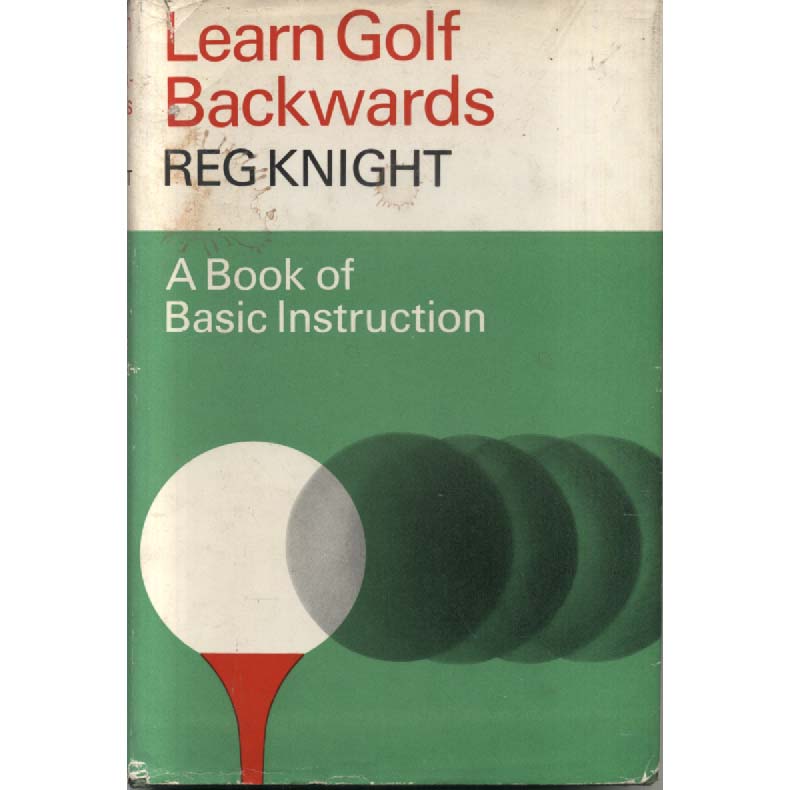
Reg Knight’s "Learn Golf Backwards," published in 1965 by Collins, is a curious artefact of sports literature that attempts to present golf in a manner that is both unconventional and playful. The title alone suggests a tongue-in-cheek approach to the game, inviting readers to consider golf from a fresh perspective. The cover design, featuring bold colours typical of mid-60s publications, reflects a period when leisure and sport were increasingly celebrated in popular culture. The paperback format, with its slightly worn edges and yellowing pages, evokes a sense of nostalgia, transporting readers back to a time when the sport was experiencing a surge in popularity among the masses.
The book's layout is straightforward, with a collection of illustrations and tips that aim to demystify the game. The text is interspersed with anecdotes and humour, suggesting that golf need not be taken too seriously. This approach resonates with the mid-20th century ethos of leisure, where sports were not merely a pastime but a social activity steeped in camaraderie. "Learn Golf Backwards" encapsulates the era’s growing obsession with self-improvement and personal fulfilment through recreational activities. The notion of learning a sport 'backwards' may also reflect the countercultural movements of the time, which often challenged traditional norms and expectations, albeit in a light-hearted way.
Reg Knight himself appears to be a somewhat obscure figure in the literary world, with scant biographical details available. This absence of record makes it challenging to fully assess his contributions to sports literature or any broader literary culture. It is speculated that Knight may have been a golf enthusiast who sought to share his passion through this unconventional guide, but concrete information about his career or subsequent works remains elusive. His lack of widespread recognition indicates that "Learn Golf Backwards" may have been more of a niche offering, appealing to a specific audience of golf lovers rather than achieving broader literary acclaim.
The year 1965 marked a pivotal point in the evolution of golf as a popular sport, particularly in the UK. The post-war era had seen a boom in leisure activities, and golf was becoming increasingly accessible to a wider demographic. Television broadcasts of tournaments and the proliferation of golf clubs helped elevate the sport's profile, making it an integral part of British social life. In this context, Knight's book can be seen as part of a larger trend of instructional literature that sought to engage new players and demystify the game. It serves as a cultural snapshot of a time when golf was not only a sport but a symbol of status and leisure, reflecting societal changes and the shifting landscape of recreational activities.
The humourous slant on learning golf is a refreshing departure from the often dry and technical instructional guides that dominate the genre. Knight's whimsical approach invites readers to enjoy the process of learning, rather than becoming bogged down by the intricacies of technique and etiquette often associated with the sport. The advice given in the book ranges from the practical to the absurd, embodying the playful spirit of an era that cherished light-heartedness in leisure pursuits. This perspective may resonate with those who find joy in the quirks of the game, making the text potentially appealing to both seasoned players and novices alike.
Overall, "Learn Golf Backwards" stands as a testament to the cultural milieu of the 1960s, encapsulating a moment when golf was evolving as a popular pastime. Its quirky approach and engaging design make it a charming addition to any collection of sports literature. While Reg Knight may not have left a significant imprint on literary history, his work contributes to a broader understanding of how sports were represented and perceived during this transformative period. The book reflects a time of optimism and leisure, offering a playful invitation to engage with the game of golf in a way that is both accessible and entertaining.
In conclusion, "Learn Golf Backwards" may not be a seminal work in the canon of sports literature, but it certainly embodies the spirit of its time. It serves as a delightful reminder of a period when golf was embraced with enthusiasm and humour, encouraging players to find joy in the game rather than solely in competition. Crappy Old Books continues to celebrate such unique cultural artefacts, reminding us of the diverse ways in which sports have been interpreted and enjoyed throughout history.