AI-assisted note, based on the text and a physical inspection of this copy.
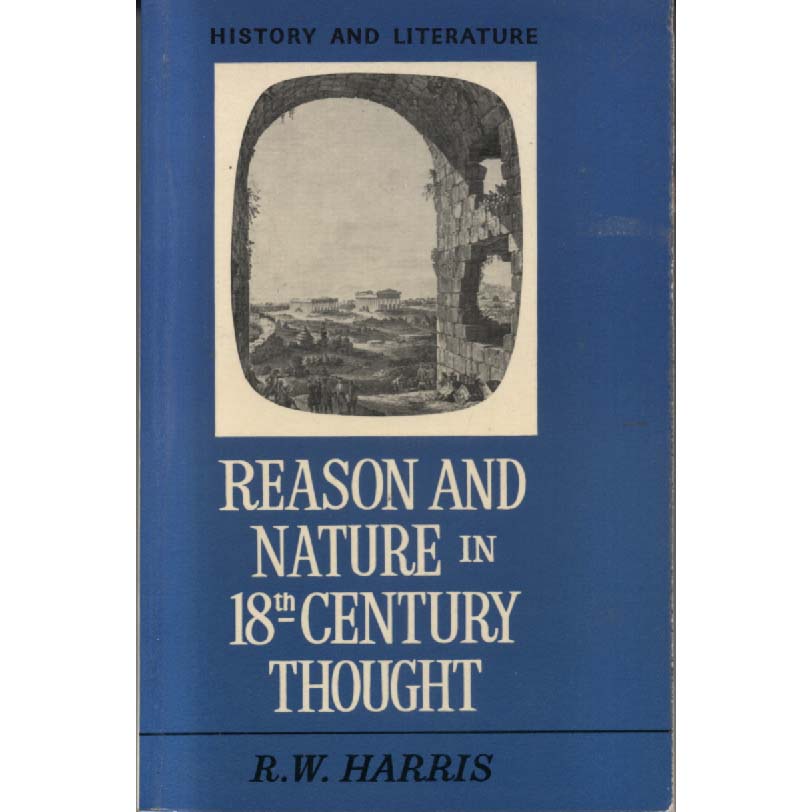
“Reason and Nature in 18th Century Thought” by RW Harris is an intriguing artefact from the late 1960s, encapsulating a moment when intellectual curiosity about the Enlightenment was being revitalised. The book’s cover design, a rather unassuming affair typical of its era, features a muted palette dominated by browns and greens, which perhaps reflects the more serious tones of the philosophical discourse it aims to explore. The paperback vibe is palpable, with a slightly worn texture that speaks to its age and the countless hands that have likely thumbed through its pages. The overall aesthetic is reminiscent of mid-20th century academic publications, which often prioritised substance over style, giving it a certain charm that appeals to those with a penchant for antiquarian books.
RW Harris appears to be an obscure figure in the realm of literary scholarship, with scant biographical details readily available. This obscurity raises questions about his influence and the reception of his work within the academic community. While he may not have achieved the level of fame enjoyed by his contemporaries, his decision to tackle such a complex subject matter reflects a certain bravery in engaging with the philosophical undercurrents of the 18th century. Given the lack of comprehensive records, it is difficult to ascertain Harris's exact standing in the publishing history or literary culture of his time, leaving readers to speculate about his motivations and the audience he hoped to reach.
Published in 1968, this book emerged during a period marked by a resurgence of interest in Enlightenment thought, coinciding with broader cultural shifts in post-war Britain. The late 1960s were characterised by social upheaval, a questioning of authority, and a renewed focus on individual rights and rational discourse—elements that resonate with the themes Harris explores. The 18th century, often seen as the cradle of modern philosophy, offered fertile ground for re-examination during this time. The intellectual landscape was vibrant, with various thinkers contributing to debates about reason, nature, and human understanding. Harris’s work can be viewed as part of this larger discourse, providing context for contemporary readers who were grappling with the legacies of Enlightenment philosophy amidst the changing tides of the 20th century.
The text itself, while perhaps dense by modern standards, offers a thorough exploration of key philosophical ideas and figures from the 18th century. Harris’s approach seems to straddle the line between academic rigor and accessibility, making it a valuable resource for students and interested laypeople alike. However, the prose can be somewhat dry at times, which may deter casual readers. The book’s structure, featuring a series of thematic chapters, allows for a segmented analysis of concepts, though this could also lead to a disjointed reading experience for those seeking a more cohesive narrative.
Despite its limitations, “Reason and Nature in 18th Century Thought” serves as a testament to the scholarly rigor of its time. It reflects the era’s fascination with the interplay of reason and the natural world, and how these concepts shaped human understanding. The book is pivotal for those interested in the philosophical debates that continue to influence contemporary thought. It stands as a cultural object that embodies the quest for knowledge characteristic of both the 18th century and the late 1960s, bridging past and present in an intellectual dialogue.
In conclusion, RW Harris’s “Reason and Nature in 18th Century Thought” is more than just a book; it is a cultural piece that captures a specific moment in time and thought. Its publication by Blandford Press places it within the context of a publisher known for producing educational and scholarly works, further enhancing its credibility. While the author may remain shrouded in obscurity, his exploration of Enlightenment ideas offers valuable insights into the nature of reason and the human experience. For those interested in delving into the philosophical foundations of modern thought, this title is a worthy addition to any collection. Crappy Old Books proudly acknowledges such works, reminding us of the enduring relevance of historical intellectual pursuits.