AI-assisted note, based on the text and a physical inspection of this copy.
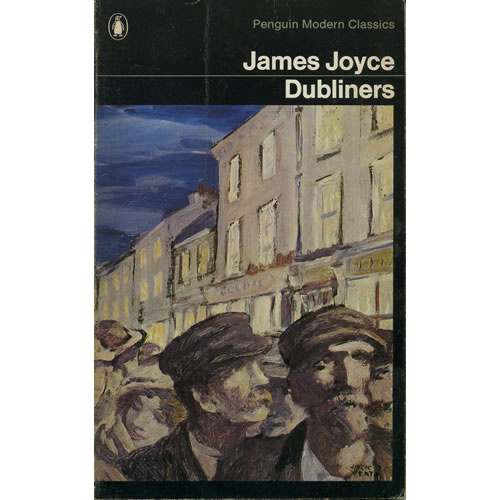
James Joyce's Dubliners, published by Penguin in 1967, is an interesting artefact in the landscape of early 20th-century literature. Though the collection of short stories was originally published in 1914, this particular edition represents a period of renewed interest in Joyce’s work during the mid-20th century, a time when modernist literature was being reassessed and appreciated. The cover design is characteristically simple yet evocative, featuring a rather austere image that invites readers into the intricate world of Joyce's Dublin. The faded hues of the paperback complement the melancholic and often stark themes of the stories within, which explore the lives of ordinary Dubliners with a depth and precision that remains striking even today.
The stories themselves are masterful in their portrayal of the nuances of life in Dublin. Joyce captures the essence of the city and its inhabitants with an acute eye for detail, delving into themes of paralysis, epiphany, and the search for identity. Each narrative is imbued with a sense of realism that resonates with readers, revealing the complexities of human relationships and the often oppressive atmosphere of early 20th-century Ireland. The language is both lyrical and precise, showcasing Joyce's exceptional skill as a writer. The collection serves not only as a mirror to the lives of its characters but also as a commentary on the socio-political climate of Dublin at the time.
James Joyce is perhaps one of the most significant figures in modernist literature, known for his experimental use of language and narrative structure. He gained international acclaim with works such as Ulysses and A Portrait of the Artist as a Young Man, which have cemented his position in literary history. However, his earlier work, including Dubliners, played a crucial role in establishing his reputation. Joyce's life was marked by a tension between his artistic ambitions and the conservative cultural backdrop of Ireland, which often stifled his voice. The 1967 Penguin edition reflects a period in which Joyce's works were rediscovered and celebrated anew, allowing readers to engage with his exploration of themes that continue to resonate today.
Publishing in 1967 places this edition of Dubliners within a cultural framework marked by significant social change. The post-war era saw a burgeoning interest in literature that challenged conventional narratives and engaged with themes of personal and collective identity. The counterculture movement was gaining momentum, and there was a palpable shift in artistic expression across various mediums. This edition of Dubliners not only served as a reminder of Joyce's contributions to literature but also offered a lens through which contemporary readers could examine their own societal issues. The resurgence of interest in such classic works during this time highlights the cyclical nature of literary culture, where older texts find new life in modern discourses.
As a physical object, the 1967 Penguin edition of Dubliners embodies the aesthetic sensibilities of its time. The paperback format, prevalent in the era, allows for accessibility and widespread readership. The slight wear and tear of an old paperback evoke a sense of nostalgia, reminding us of the many hands it has passed through and the discussions it may have sparked over the years. It is a testament to the durability of Joyce's themes and the enduring relevance of his insights into the human condition.
In conclusion, Dubliners remains a cornerstone of modernist literature, and this 1967 Penguin edition is a valuable artefact reflecting both the literary and cultural shifts of the time. Joyce’s mastery of language and his acute observations of Dublin life continue to resonate, offering readers a profound exploration of the human experience. While the author remains a towering figure in literary history, the specifics of his reception and influence can vary, highlighting the importance of keeping classic works in circulation. Crappy Old Books presents this enduring piece of literature as a cultural object worthy of both examination and appreciation.